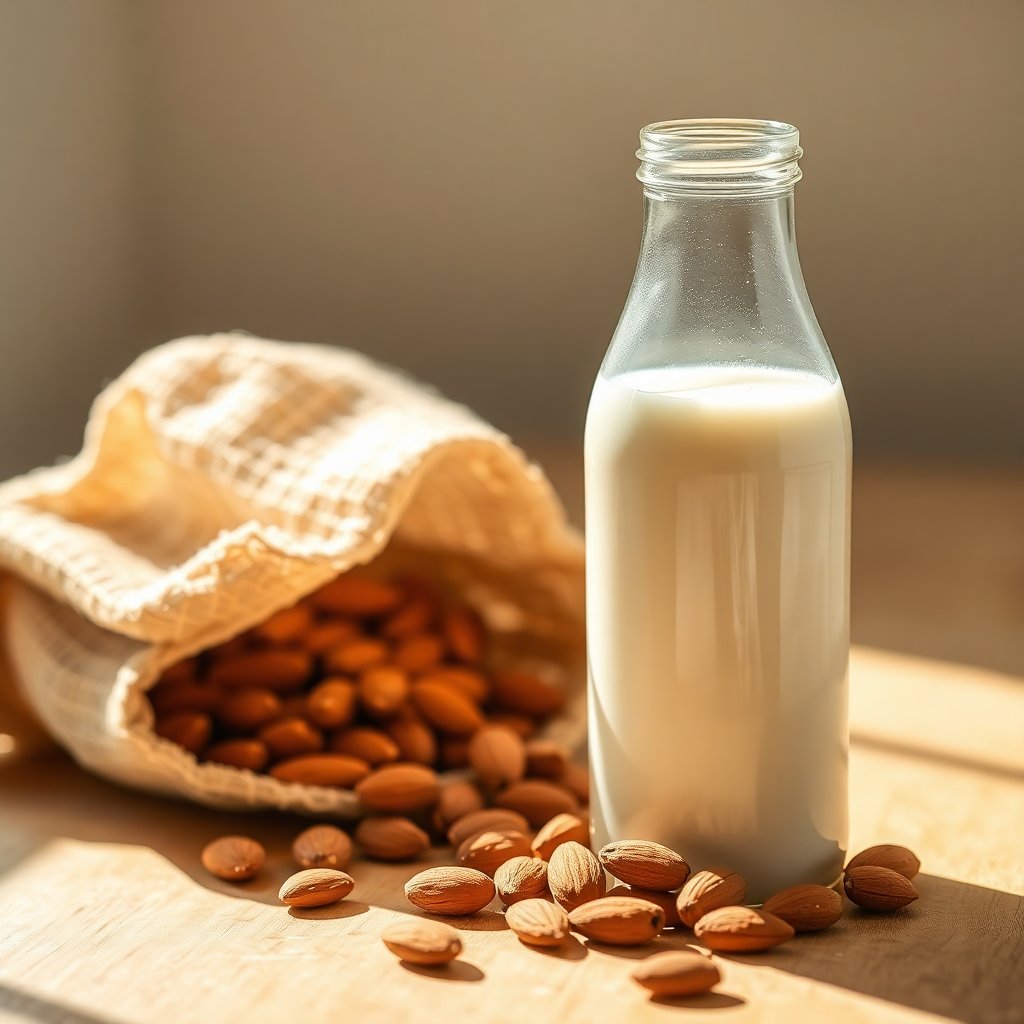
Store-bought almond milk is roughly 2% almonds. The rest is water, thickeners (carrageenan, sunflower lecithin, locust bean gum), and sometimes sugar or "natural flavors." Homemade nut milk is 15–20% nuts, has no additives, and costs about the same per serving once you own a nut milk bag. The flavor difference is immediate and significant — it tastes like actual almonds, not almond-flavored water.
Here's how to make the three most practical varieties, plus everything you need to get the most out of your homemade milk.
What You Need
Before you start, gather these essentials:
- High-speed blender (Vitamix is ideal — see our best blenders guide — but any blender with 700W+ works)
- Nut milk bag (fine mesh — this matters more than the blender)
- Large bowl for straining into
- Glass jar or bottle for storage (32 oz mason jars are ideal)
- Filtered water (makes a noticeable flavor difference)
→ Shop nut milk bags on Amazon
The nut milk bag is the most important accessory. Cheesecloth is too porous and lets fine particles through. A proper fine-mesh nut milk bag (nylon or organic cotton) gives you silky-smooth milk every time. Get a 3-pack — you'll use them constantly.
Raw Almond Milk
Classic, versatile, and the most commonly made homemade nut milk. The raw process uses soaked almonds, which softens them for easier blending and improves nutrient bioavailability.
Soak first: Cover 1 cup raw almonds with filtered water. Soak 8–12 hours (overnight is easiest). Drain and rinse well — this removes phytic acid, the enzyme inhibitor that makes raw nuts harder to digest.
Blend: Add soaked almonds + 4 cups filtered water to blender. Blend 60–90 seconds on high until completely smooth and white.
Strain: Pour through nut milk bag into your large bowl. Twist the top of the bag and squeeze firmly — get every last drop out. The leftover pulp is valuable (see below).
Season (optional): Add 2 medjool dates (pitted), pinch of sea salt, 1 tsp vanilla extract to the strained milk. Blend briefly to incorporate. Sweeten to taste.
Store: Glass jar, refrigerator, up to 4 days. Shake before using — separation is natural and normal, not a sign of spoilage.
Yield: ~4 cups (32oz)
Ratio to remember: 1 cup almonds : 4 cups water = standard. For creamier milk, try 1:3. For lighter (better for cooking), 1:5 works well.
What to do with the pulp: Spread almond pulp in a thin, even layer on a dehydrator tray. Dehydrate at 115°F for 8–10 hours until completely dry. Pulse in a food processor = fine almond flour. Use in raw cookies, pie crusts, and granola bars. This makes almond milk essentially free — the flour offsets the cost of the almonds.
→ Shop raw organic almonds on Amazon
Raw Cashew Milk
Cashew milk is the creamiest homemade nut milk — and it doesn't need straining, which makes it the fastest to make. Cashews blend completely smooth, with no gritty particles, at high speed.
Soak: 1 cup raw cashews, 2–4 hours (shorter than almonds — cashews are softer). Drain and rinse.
Blend: Soaked cashews + 4 cups filtered water + 2 dates + pinch of sea salt. Blend 60–90 seconds until completely smooth. Taste and adjust sweetness.
Strain or not: Optional — cashew milk is usually smooth enough to drink straight. Strain if you want it extra silky for coffee or more delicate uses.
Store: 3–4 days refrigerated in a sealed glass jar.
The cream variation: Reduce water to 1–2 cups for thick cashew cream. This is the base for raw vegan creamy sauces, cheesecakes, and cream toppings. It's one of the most versatile raw kitchen preparations you'll learn.
→ Shop raw organic cashews on Amazon
Oat Milk (Fast and Cheap)
Technically oats are processed (rolled and steamed), so this isn't raw. But it's worth including — it's the cheapest, most accessible homemade milk, and it's what many people reach for in coffee and baking.
Critical rule: Do not soak oats before blending. Unlike nuts, soaking activates starches and creates slimy oat milk. Work with dry rolled oats.
Blend: 1 cup rolled oats + 4 cups cold water. Blend 20–30 seconds only. Longer blending activates more starch and creates sliminess — don't over-blend.
Strain: Immediately through nut milk bag. Pour gently — don't squeeze. Squeezing pushes starch through and makes it slimy. Just let it drain.
Store: 4–5 days refrigerated. Shake before using (separation is pronounced with oat milk).
The slime issue: If your oat milk comes out slimy, you either blended too long, used warm water, or squeezed the bag. Try again with cold water, shorter blending, and gentle straining.
Advanced Variations Worth Trying
Once you've mastered the basics, these variations are worth experimenting with:
Hazelnut milk — Rich and slightly chocolate-forward naturally. Toast lightly (optional for a roasted flavor, but then it's not raw). 1 cup hazelnuts : 4 cups water. Excellent with cacao powder.
Hemp seed milk — No soaking needed. Hemp blends completely smooth, high in omega-3s. Slightly grassy flavor that works well in smoothies. 3 tbsp hemp seeds : 1 cup water for a serving.
Pistachio milk — Pale green, naturally sweet. Soak 4–6 hours. 1 cup : 4 cups water. Beautiful in matcha lattes.
Walnut milk — Earthy, robust flavor. Soak 6–8 hours. Works best in recipes rather than straight drinking.
→ Shop raw mixed nuts for milk-making on Amazon
Buying Guide: Tools That Make It Better
| Tool | Why It Matters | Budget Pick | Upgrade Pick | |---|---|---|---| | Nut milk bag | Fine straining = smooth milk | 3-pack nylon bags | Organic cotton reusable | | High-speed blender | Better emulsification | Ninja 900W | Vitamix A2500 | | 32 oz mason jars | Storage, shaking easy | Ball wide-mouth | Weck glass | | Medjool dates | Best natural sweetener | Organic 1lb bag | Bard Valley premium |
FAQ
Is homemade nut milk actually cheaper than store-bought? Yes, once you have the equipment. A cup of raw almonds costs about $1.50 and makes 32 oz of milk. Store-bought organic almond milk runs $4–6 for 32 oz. Factor in the almond flour from the pulp and the savings increase further.
Why does my almond milk taste bitter? Usually from not soaking long enough (8 hours minimum), or from using old/stale almonds. Also, brown almond skins contribute slight bitterness — blanching and peeling the soaked almonds before blending makes noticeably sweeter, milder milk.
How do I know when my nut milk has gone bad? It smells sour or off, and the texture becomes thick or stringy. Fresh nut milk smells clean and slightly nutty. 4 days is a safe window; if it smells fine at day 5, it usually is fine, but use your judgment.
Can I heat homemade nut milk? Yes — it works well in cooking, lattes, and sauces. Warming it gently doesn't ruin it. Just don't boil, which can cause separation and change the flavor.
What can I do with leftover nut pulp? Almond pulp → dehydrated almond flour, raw cookie dough base, granola binder. Cashew pulp → raw cheesecake filling, cream cheese spread base. Hemp and nut milks with no pulp make this moot. Never waste it.
The Bottom Line
Homemade nut milk takes 10 minutes. It tastes dramatically better than anything in a carton. The equipment cost is under $20 (a nut milk bag and mason jars), and the per-serving cost is equal to or lower than store-bought premium brands.
The right blender makes the process easier, but even a basic machine works for cashew milk (no straining) and simple almond milk. Start with one variety, master the ratio and timing, then expand your repertoire. Once you've tasted fresh cashew milk in your morning coffee, the carton versions feel like a downgrade.
→ Shop everything you need for homemade nut milk on Amazon
As an Amazon Associate we earn from qualifying purchases. This article contains affiliate links; if you buy through them we may earn a small commission at no additional cost to you.