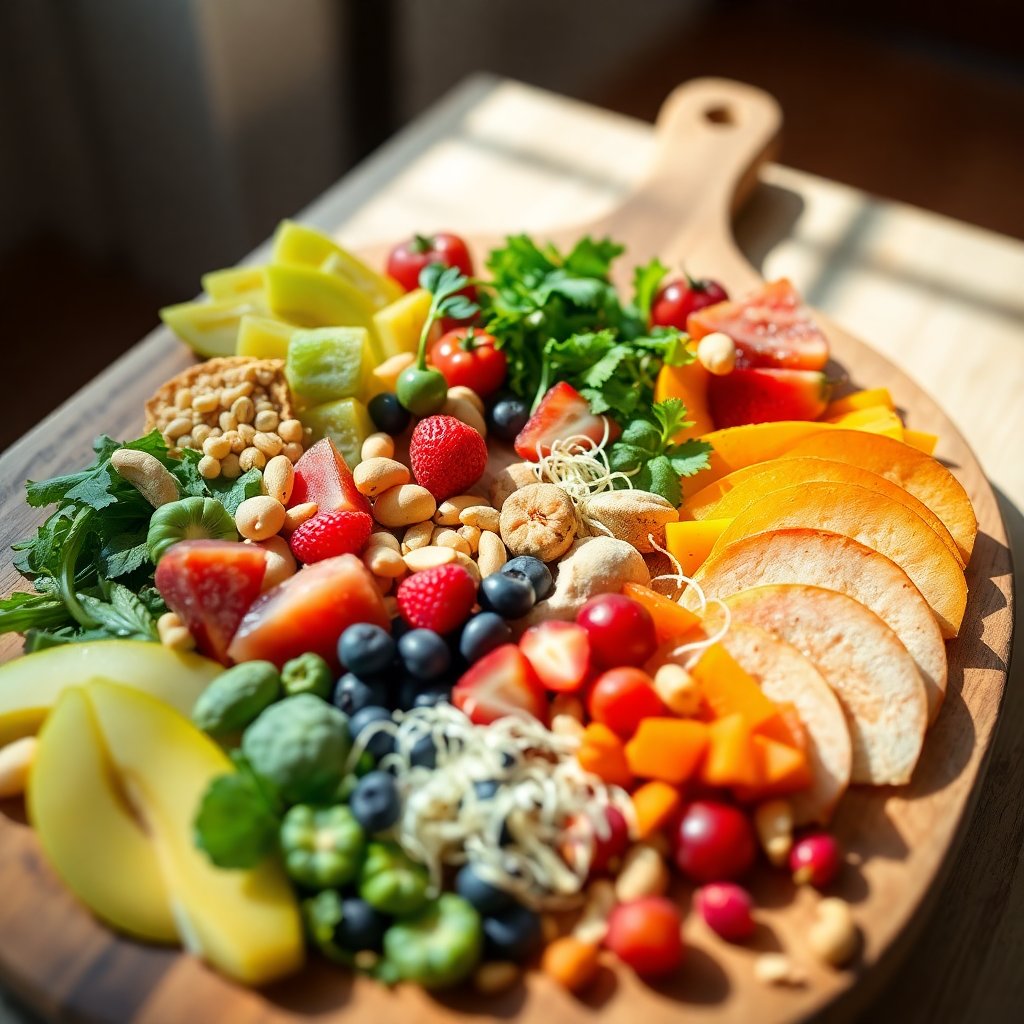
Raw veganism is simpler than it sounds. No cooking, no meat, no dairy — just whole, unprocessed plant foods in their natural state. If that sounds restrictive, stick with us. The raw vegan kitchen is actually one of the most creatively satisfying ways to eat, and the learning curve is much gentler than most people expect.
This guide covers everything you need to know to get started: what raw veganism actually means, what you eat, what gear makes sense, common mistakes to avoid, and how to build a first week of meals without overthinking it.
What Does "Raw Vegan" Mean?
Raw veganism combines two principles:
- Vegan — no animal products (meat, dairy, eggs, honey in most interpretations)
- Raw — no food heated above 104–118°F (40–48°C)
The reasoning behind the temperature threshold: enzymes in raw food are denatured (broken down) at temperatures above roughly 118°F, and many heat-sensitive vitamins (particularly vitamin C, folate, and some B vitamins) degrade significantly with cooking. Raw food proponents argue that the living enzymes in unheated food support digestion, energy, and cellular health.
You don't need to be 100% raw to benefit. Most people start at 50–80% raw and find their natural level from there. Some raw vegans eat fully raw. Many maintain 70–80% raw and eat cooked vegan food for social situations or winter months when cold, starchy foods feel necessary.
The philosophy is directional, not a rigid rule. Eat more raw food, less processed food, more variety — and you'll feel the difference.
What You Actually Eat
More variety than you'd expect:
Fruits — all of them: tropical, subtropical, berries, stone fruits, melons. Dried fruit counts as raw if dried at low temperature.
Vegetables — raw, marinated in acid (lemon juice softens vegetables), or dehydrated. Zucchini, cucumber, tomatoes, bell peppers, leafy greens, beets, and most other vegetables are excellent raw.
Sprouted grains and legumes — sprouting neutralizes anti-nutrients (phytic acid, lectins) and increases bioavailability of proteins and minerals. Sprouted lentils, mung beans, chickpeas, and buckwheat are staple proteins.
Nuts and seeds — soaked or "activated" for better digestion. Almonds, cashews, walnuts, pecans, macadamia nuts, sunflower seeds, pumpkin seeds, hemp seeds, flaxseeds, chia seeds.
Cold-pressed oils — olive oil, coconut oil, flaxseed oil, avocado oil. Used in dressings, marinades, and raw preparations.
Superfoods (optional) — spirulina, chlorella, raw cacao, maca, goji berries, hemp seeds. Nutritional boosters, not necessities.
Fermented foods — raw sauerkraut, kimchi, water kefir, kombucha. Live cultures from fermentation are consistent with the raw philosophy.
The Gear You Need (In Order of Priority)
You don't need everything at once. Here's the order that makes sense:
Start With
A high-speed blender — this is the one investment worth making up front. Your blender handles green smoothies, nut milks, raw soups, cashew cream, dressings, and energy balls. See our best raw vegan blenders guide to pick the right one for your budget. The Vitamix 5200 is the benchmark, but solid mid-range options exist for half the price.
→ Shop high-performance blenders on Amazon
A good chef's knife and cutting board — raw food prep is cutting-intensive. A sharp knife makes everything faster and safer.
Mason jars — for storing prepped food, nut milks, dressings, and smoothies. 16 oz and 32 oz wide-mouth are the most useful.
A nut milk bag — for making almond milk, straining green juice, and other preparations. $10 for a 3-pack.
→ Shop nut milk bags on Amazon
Add When You're Ready
Food dehydrator — unlocks a whole new category of raw food: crackers, chips, raw granola, cookies, dried fruit, fruit leather. The Excalibur is the gold standard; mid-range Nesco units work well for lighter use.
→ Shop food dehydrators on Amazon
Food processor — for raw crusts (date and nut), energy balls, dips, and finely processed preparations. A Cuisinart or similar 7–11 cup model covers most needs.
Cold press juicer — for daily fresh juice routines. Add after you've confirmed juicing is a habit you want. See our best juicers for raw vegans guide.
Spiralizer — for zucchini noodles and raw pasta dishes. Inexpensive ($20–30) and used more than you'd expect.
Common Mistakes to Avoid
1. Not Eating Enough Calories
Raw foods are often lower in calorie density than cooked equivalents. You need to eat larger volumes. A single apple is a snack, not a meal. A green smoothie is a meal — load it with banana, dates, hemp seeds, and nut butter. Calorie deficiency causes fatigue, cravings, and people concluding that "raw food doesn't work," when the issue is quantity.
2. Skipping Healthy Fats
Healthy fats from avocado, nuts, seeds, and coconut are essential on a raw diet. They're satiating, carry fat-soluble vitamins, and provide sustained energy. Don't fear them. An avocado a day is normal and healthy in a raw vegan context.
3. Going 100% Overnight
Transition gradually. Start with raw breakfasts for two weeks, then add raw lunches, then evaluate. Digestive systems need time to adapt to higher fiber and enzyme content. Rapid switches often cause bloating and discouragement.
4. Ignoring B12
B12 is not reliably available in plant foods, regardless of what proponents claim about fermented foods or soil-based sources. Supplement it — this is non-negotiable on any vegan diet, raw or not. A simple sublingual B12 supplement costs $10 and eliminates all risk.
5. Buying the Wrong Blender
A $40 blender will not make smooth cashew cream, handle frozen greens properly, or survive daily use for more than a year. The Vitamix is a one-time purchase you'll own for 15–20 years. If budget is a constraint, see our guide to raw food on a budget — there are good mid-range options that work well.
6. Over-focusing on Superfoods
Spirulina, maca, raw cacao, and goji berries are excellent additions but not the foundation of a healthy raw diet. Eating a variety of affordable whole foods (greens, fruits, nuts, seeds) consistently provides more benefit than expensive superfoods used sporadically.
Nutrition on a Raw Vegan Diet
A few nutrients require attention on a raw vegan diet:
B12 — supplement. No exceptions.
Vitamin D — supplement in winter or if you don't get regular sun exposure. This applies to most people regardless of diet.
Omega-3s — flaxseeds, chia seeds, hemp seeds, and walnuts provide ALA. Algae-based DHA/EPA supplements provide the longer-chain forms if you want to be thorough.
Calcium — abundant in leafy greens, sesame seeds (tahini), almonds, and figs. Not a concern on a varied raw diet.
Iron — present in leafy greens, pumpkin seeds, and lentil sprouts. Pairing with vitamin C (easy on a raw diet) improves absorption.
Protein — adequate on a varied raw diet with sufficient calories. Hemp seeds, sprouted legumes, nuts, and seeds all contribute.
A Simple First Week
You don't need complex recipes. Most raw meals are assembly, not cooking.
Breakfast: Green smoothie (2 cups frozen spinach, 2 frozen bananas, 1 cup mango, 2 tbsp hemp seeds, 1 tsp spirulina, filtered water to blend). 600+ calories, abundant micronutrients.
Lunch: Large salad with avocado, cucumber, tomato, sunflower seeds, lemon-tahini dressing (tahini + lemon + garlic + water).
Dinner: Zucchini noodles (spiralized) with raw marinara (blended tomatoes, sun-dried tomatoes, basil, garlic, olive oil, salt).
Snacks: Medjool dates with almond butter, fresh fruit, raw trail mix (nuts + raisins + coconut flakes).
Once you have the basics down, making your own nut milk at home is one of the first raw kitchen skills worth learning — it transforms your smoothies and morning routine.
Comparison: Raw vs. Standard Vegan vs. Whole Food Plant-Based
| Factor | Raw Vegan | Standard Vegan | Whole Food Plant-Based | |---|---|---|---| | Cooking | None above 118°F | Yes | Minimal processed foods | | Processed foods | None | Some | Minimal | | Equipment needs | Blender, dehydrator | Standard kitchen | Standard kitchen | | Learning curve | Moderate | Low | Low-Moderate | | B12 supplementation | Required | Required | Required | | Social ease | Challenging | Moderate | Moderate |
FAQ
Do I need to go 100% raw to see benefits? No. Most raw food practitioners report benefits starting around 50–70% raw. The key shift is replacing processed foods and heavy cooked meals with living, enzyme-rich foods — not achieving a specific percentage.
Is raw vegan food safe to eat? Generally yes. A few cautions: certain legumes (kidney beans) must be cooked; raw sprouted seeds should be rinsed thoroughly to prevent bacterial growth. The foods most commonly eaten on a raw diet — fruits, vegetables, nuts, seeds — are safe to eat raw without special preparation.
What do you eat for comfort food on a raw diet? Raw vegan comfort food is more real than you'd expect: cashew cheese, raw chocolate (cacao + dates + coconut oil), frozen banana nice cream, raw cookies, raw granola, and dehydrated kale chips are all satisfying, substantial foods.
Is it expensive? Can be, if you buy packaged raw snacks and superfoods. Can be very affordable if you focus on whole foods — bananas, frozen greens, bulk nuts, and sprouted legumes. See our raw food on a budget guide for the full strategy.
How do you eat raw vegan socially? Honestly — it's the hardest part. Most raw vegans eat raw at home and are more flexible socially. Whole food plant-based options are widely available now; being raw is about what you do 80% of the time, not an identity you defend at every meal.
The Bottom Line
Raw veganism is a genuinely nourishing, energizing way to eat — when done with adequate calories, variety, and the right supplementation. It's not magic, and it doesn't require perfection. The version that works long-term is one that fits your life: mostly raw, mostly whole foods, minimal processed food, with room for flexibility.
Start with the blender. Build the breakfast habit. Add more raw meals gradually. The rest follows naturally.
→ Shop the raw vegan kitchen starter kit on Amazon
As an Amazon Associate we earn from qualifying purchases. This article contains affiliate links; if you buy through them we may earn a small commission at no additional cost to you.