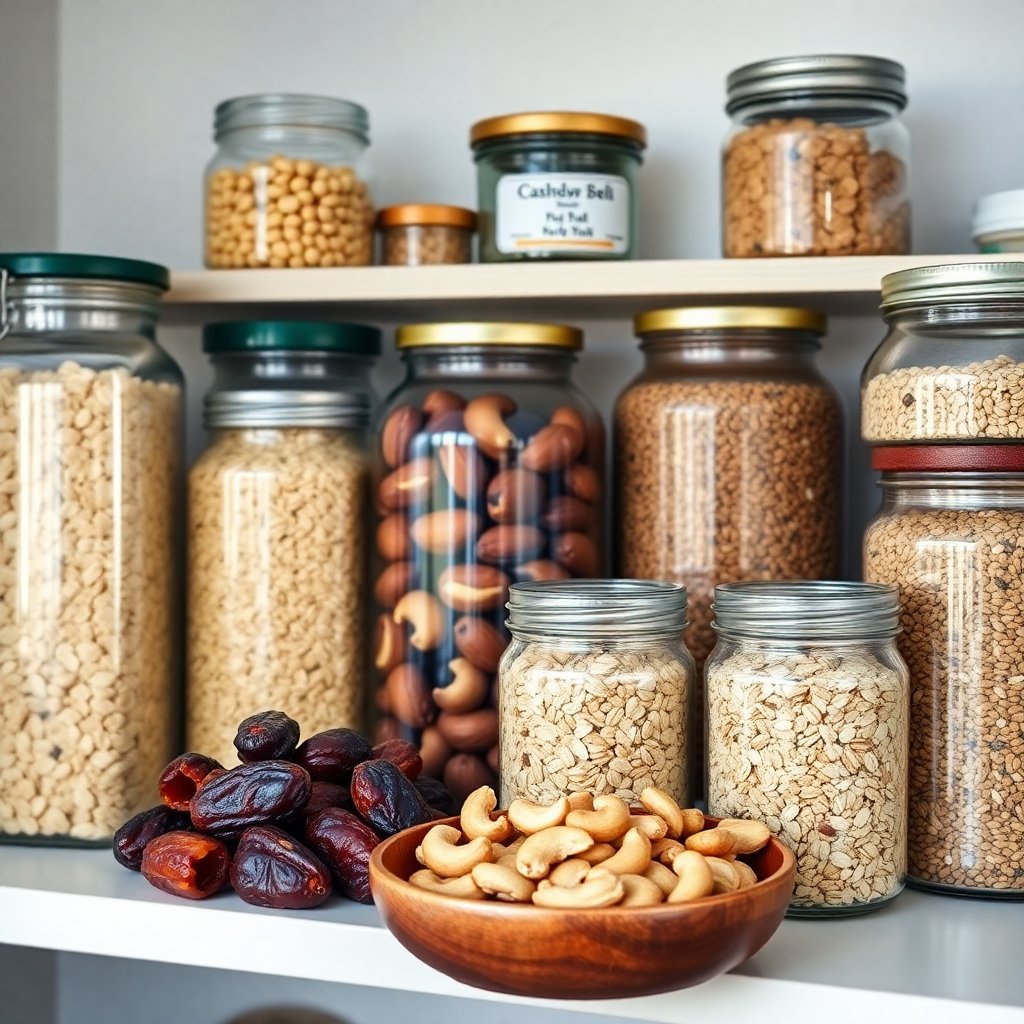
Raw veganism has an expensive reputation. The Instagram version — Vitamix blenders, $15 pressed juices, exotic superfoods shipped from overseas — is real, but it's not required. The actual fundamentals of raw eating are some of the cheapest food you can buy. With the right strategy, a raw vegan diet can cost less per day than a conventional one.
Here's how to do it.
The Cheap Core
Bananas, sweet potatoes (raw sweet potato blends well in smoothies), carrots, cabbage, apples, frozen spinach — these are among the most affordable foods at any grocery store and form a nutritionally complete foundation for raw eating.
The expensive parts are elective: Vitamix, Excalibur, spirulina, ceremonial cacao, premium nut butters, exotic fruits shipped from South America. None are required to start. Many experienced raw vegans never buy most of them.
The cheapest raw foods per serving:
- Bananas: $0.19–0.30 each
- Frozen spinach/kale: $0.15–0.25 per serving
- Cabbage: $0.20–0.30 per cup
- Carrots: $0.25–0.40 per cup
- Apples: $0.50–0.80 each
- Sunflower seeds: $0.25 per oz
- Rolled oats: $0.10 per serving
These foods alone provide carbohydrates, fat, protein, fiber, and a broad micronutrient profile.
What to Buy First (Under $25)
A practical first week of raw food shopping, optimized for cost:
| Item | Cost | |---|---| | Frozen spinach (2lb bag) | $3 | | Bananas (2 bunches) | $3 | | Bag of carrots (5lb) | $3 | | Cabbage (head) | $1.50 | | Bag of apples (3lb) | $4 | | Walnuts or sunflower seeds (8oz) | $5 | | Medjool dates (1lb) | $7 | | Total | ~$27 |
This covers a week of breakfasts (smoothies), lunches (salads, wraps), and snacks. Dinner might need some additions (avocados, cucumber, tomatoes), but the foundation is under $30.
The Budget Gear Strategy
The Vitamix costs $350–$400. You do not need it on day one.
Practical progression:
- Start with a $50–$80 personal blender (Ninja, Magic Bullet, or similar). This handles basic green smoothies, simple dressings, and light preparations. Use it for 3–6 months while you test whether raw eating is your long-term path.
→ Shop budget personal blenders on Amazon
-
If you're still eating raw after 3–6 months, invest in a Vitamix or equivalent high-performance blender. At this point you know it's worth it. Most people who buy the Vitamix having tested cheap options first never regret it — they understand exactly what they're paying for.
-
Skip the dehydrator to start. You can make raw eating deeply satisfying without one. Add it when you're bored of fresh prep and want to expand into crackers, granola, and raw cookies. The Excalibur is the gold standard when you're ready.
→ Shop Excalibur dehydrators on Amazon
Stretch Your Grocery Dollar
Buy frozen greens. Frozen spinach, kale, and mixed greens are nutritionally equivalent to fresh (often more nutritious, since they're flash-frozen at peak ripeness). The cost per serving is 40–60% less than fresh. For smoothies, there's no perceptible difference.
Shop bananas strategically. Ripe bananas go on sale constantly — look for "manager's special" bags of overripe bananas. Buy extra and freeze them. Frozen banana is the base of raw "nice cream" (frozen banana blended = creamy soft serve), thickens smoothies beautifully, and stores for months.
Buy nuts in bulk. The per-pound price at bulk bins, Costco, or Amazon is 40–60% lower than pre-packaged nuts at a regular grocery store. Almonds, cashews, walnuts, and sunflower seeds are all significantly cheaper in bulk.
→ Shop bulk raw nuts on Amazon
Grow sprouts. This is the single highest-return investment in a raw food budget. A $20 sprouting kit produces more fresh, living food per dollar than anything you can buy. Alfalfa sprouts take 5 days from seed to harvest and cost pennies per serving. Lentil and mung bean sprouts add protein and take about the same time.
→ Shop sprouting kits on Amazon
Seasonal produce. In-season fruits and vegetables are dramatically cheaper than out-of-season. A raw diet naturally favors fresh produce, and fresh produce is cheapest in season. Watermelon in August costs a fraction of what it does in February. Berries in June are 80% cheaper than January imports.
Farmers markets — late in the day. Vendors often discount heavily in the last hour to avoid hauling unsold produce back. You can sometimes get a flat of tomatoes for a dollar or a bag of mixed greens for nothing.
Make Your Own (Don't Buy Prepared)
Pre-made raw snacks, bars, and prepared raw foods are marked up 300–500% compared to making them yourself. A $4 raw "superfood bar" costs about $0.40 in ingredients. Here's what to make vs. buy:
| Item | Store Price | Homemade Cost | |---|---|---| | Almond milk (32oz) | $4–6 | $1.50 | | Raw energy bars (2pk) | $5–8 | $0.50–1 | | Kale chips (2oz bag) | $7–10 | $1.50 | | Raw granola (8oz) | $9–12 | $2–3 | | Cashew cheese (4oz) | $6–8 | $1–2 |
The raw vegan kitchen is one of the few food philosophies where homemade is substantially cheaper and better than store-bought.
The Budget Starter Kit (Gear Only)
When you're ready to invest in equipment:
| Item | Cost | Why | |---|---|---| | Ninja personal blender | $50–$70 | Smoothies, nut milks, dressings | | Nut milk bag (3-pack) | $10–15 | Homemade nut milk | | Sprouting kit (4-tray) | $20–30 | Fresh sprouts daily | | Mason jars 32oz (12-pack) | $18–25 | Storage for everything | | Chef's knife (decent) | $25–40 | The most-used tool in a raw kitchen |
Total: ~$125–$180. This setup serves you for years and unlocks 90% of raw vegan cooking without any premium appliances.
What to Splurge On (When You're Ready)
When you've been eating raw for 3+ months and want to invest, here's the order of priority:
-
Vitamix or high-performance blender — the single upgrade that opens the most doors. Cashew cream, nut butters, ultra-smooth smoothies, raw soups. See our best raw vegan blenders guide for specific picks.
-
Excalibur dehydrator — if you want crackers, chips, raw granola, and a full range of raw "cooked" textures. Significantly expands what you can eat.
-
Cold press juicer — if daily juicing becomes a ritual. Worth it after you've confirmed the habit. See our best juicers for raw vegans guide.
In that order. Don't buy them all at once.
FAQ
Can I really eat raw vegan on $5 a day? Yes, if you lean heavily on bananas, frozen greens, oats, carrots, cabbage, and bulk sunflower seeds. It's not Instagram raw food — it's practical raw food. Many raw vegans report their grocery bills dropped after switching because they stopped buying packaged food.
Do I need organic to eat raw? Not strictly, but it matters more in raw food than cooked. You're eating skins and surfaces directly without heat to kill anything. For the most pesticide-heavy produce (strawberries, spinach, apples — the "dirty dozen"), organic is worth prioritizing. For thick-skinned produce (bananas, avocados, pineapple), conventional is fine.
What about protein on a budget raw diet? Hemp seeds ($0.25/oz) are the easiest high-protein raw food. Sprouted lentils and chickpeas are very cheap and high in protein. Sunflower seeds, pumpkin seeds, and walnuts add up. A varied raw diet typically hits adequate protein without effort once calorie intake is sufficient.
Is it cheaper to be raw vegan than conventional? Often yes, if you avoid packaged raw foods and buy whole ingredients. The cost comparison depends heavily on produce prices in your area, but bulk nuts, frozen greens, and bananas are universally cheap. Superfoods (spirulina, maca, goji berries) are optional luxury add-ons, not the foundation.
The Bottom Line
Raw veganism on a budget is entirely achievable — but it requires cooking at home (or rather, not cooking at home), buying whole ingredients, and being strategic about what to invest in and when. The expensive reputation comes from premium products and gadgets that are optional, not essential.
Start with the produce list above, add a personal blender, and grow sprouts. That's the complete raw food starter kit for under $100 in gear and $30/week in groceries.
→ Shop everything for a budget raw vegan kitchen on Amazon
As an Amazon Associate we earn from qualifying purchases. This article contains affiliate links; if you buy through them we may earn a small commission at no additional cost to you.