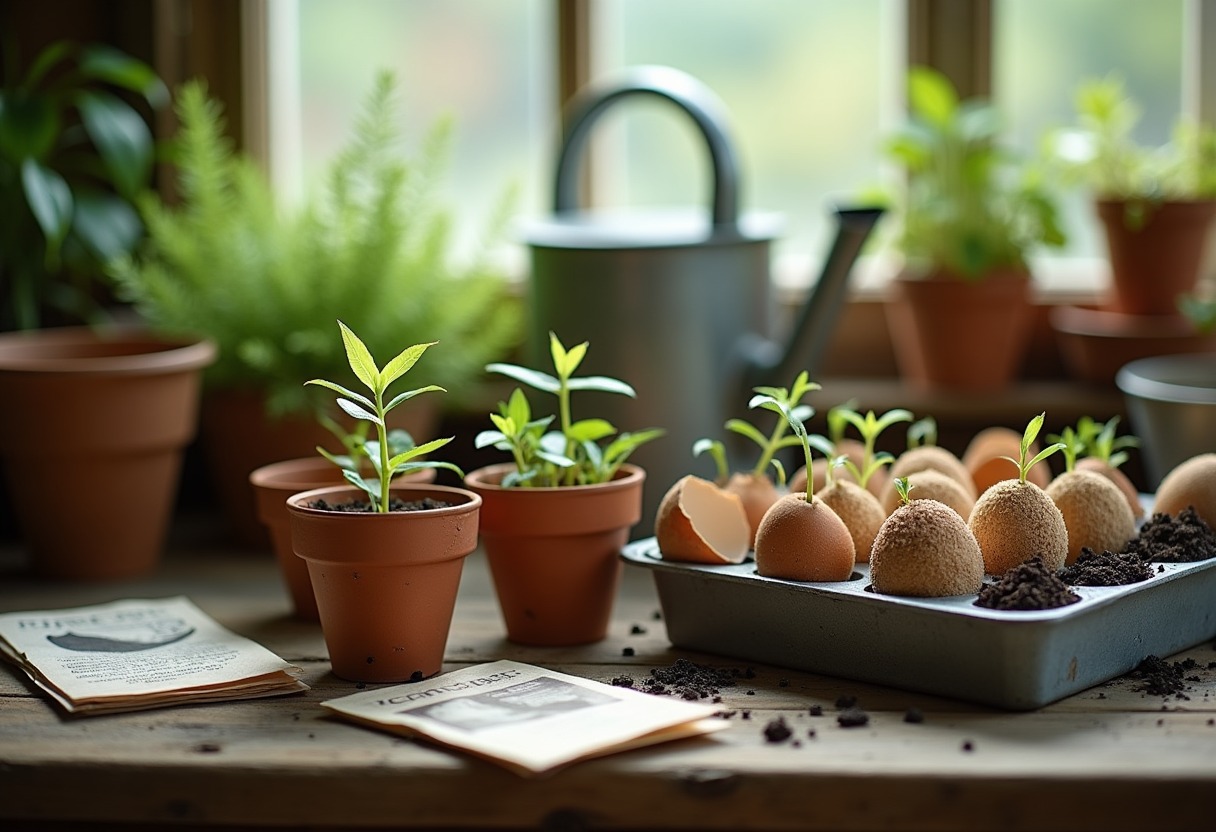
Those black plastic seed trays might be convenient, but they're turning your garden into a microplastic factory. Every watering releases tiny plastic particles into your soil, and those flimsy containers crack after one season, heading straight to the landfill.
Why Natural Seed Starting Containers Matter
Commercial plastic seed trays contain phthalates and BPA that leach into soil, potentially affecting plant development and soil microorganisms. The USDA's research on sustainable agriculture emphasizes reducing synthetic materials in growing systems. Beyond chemical concerns, plastic containers contribute to the 2.5 million tons of plastic waste generated by the horticulture industry annually.
Natural containers offer several advantages over plastic alternatives. They eliminate chemical leaching, improve root health through better air circulation, and many options biodegrade directly in soil, reducing transplant shock. Biodegradable containers also encourage stronger root systems since roots can grow through the container walls rather than becoming rootbound in rigid plastic.
The timing matters too. Seeds started in natural containers show 15-20% better root development compared to plastic containers, according to university extension studies. The improved drainage and air circulation prevent damping-off disease, a common killer of seedlings in plastic trays.
Traditional Natural Seed Containers
Newspaper pots represent the most accessible natural seed starting method. Fold standard newspaper into 3-inch squares, creating small origami-style containers. The paper biodegrades completely within 6-8 weeks, perfect timing for most seedling transplants. Use black ink only - colored inks may contain heavy metals.
Eggshells work exceptionally well for single seeds. Crack eggs cleanly at the top third, rinse thoroughly, and poke drainage holes with a needle. The calcium carbonate in eggshells slowly releases nutrients as they decompose. Fill with seed starting mix and plant directly in soil - shells break down in 2-3 weeks.
Toilet paper rolls cut into 2-inch sections make excellent biodegradable pots. The cardboard decomposes within a month, and the cylindrical shape prevents root circling better than square containers. Place cut rolls in a waterproof tray since cardboard becomes fragile when wet.
Terra cotta pots offer a reusable natural option. The clay allows excellent air circulation to roots while absorbing excess moisture to prevent fungal issues. Unlike plastic, terra cotta naturally regulates soil temperature and humidity. Quality → Shop terra cotta seed pots on Amazon last decades with proper care.
Coconut coir pellets expand when watered, creating perfect biodegradable starting containers. Made from coconut husk fiber, these pellets provide excellent drainage while retaining appropriate moisture levels. The natural antifungal properties of coir help prevent seedling diseases common in overly wet conditions.
Commercial Natural Container Options Comparison
| Container Type | Decomposition Time | Root Development | Reusable | Cost per Unit | |---|---|---|---|---| | Peat pots | 4-6 weeks | Good | No | $0.15-0.25 | | Coconut coir pots | 6-8 weeks | Excellent | No | $0.20-0.35 | | Wood fiber pots | 3-5 weeks | Very good | No | $0.25-0.40 | | Rice hull containers | 8-10 weeks | Good | No | $0.30-0.45 |
Peat-free alternatives address environmental concerns about bog harvesting. → Shop coconut coir seed starting containers on Amazon offer the best balance of decomposition rate and root development. Wood fiber pots, made from recycled paper and wood waste, decompose fastest but may dry out quickly without careful watering.
Rice hull containers provide the longest-lasting biodegradable option. Made from rice processing waste, these containers maintain structure longer than other natural materials while still decomposing completely. They work particularly well for slower-germinating seeds that need extended container time.
Premium Natural Seed Starting Products
For serious seed starters, wooden seed trays provide the ultimate reusable option. Cedar and pine naturally resist rot and insects while allowing proper air circulation. → Shop wooden seed starting trays on Amazon last 5-10 years with minimal maintenance.
Bamboo fiber containers represent the newest innovation in natural seed starting. These molded containers biodegrade within 4-6 weeks while providing excellent structural integrity when wet. The bamboo fiber naturally suppresses harmful fungi while promoting beneficial soil microorganisms.
Cork bark containers offer unique advantages for specialty seeds. The natural antimicrobial properties of cork prevent damping-off while the bark structure provides excellent drainage. These containers work particularly well for herb seeds that prefer drier conditions.
Compressed wood pulp containers provide uniform sizing with complete biodegradability. Made from recycled newspaper and cardboard, these containers maintain shape throughout the germination period then decompose rapidly after transplanting. → Shop compressed wood pulp seed containers on Amazon for consistent results.
Natural fiber grow mats eliminate individual containers entirely. Made from coconut coir or hemp fiber, these mats allow seeds to germinate naturally then cut sections for transplanting. This method works exceptionally well for microgreens and lettuce starts.
Advanced Natural Seed Starting Techniques
Soil blocking creates containerless seedlings using compressed potting mix. Mix coconut coir, compost, and clay in specific ratios to create blocks that hold together without containers. This technique eliminates transplant shock entirely since roots never encounter container walls. Soil blocks require a special blocking tool but produce superior seedlings.
Newspaper seed tapes combine natural materials with precise spacing. Create biodegradable seed tapes using flour paste and newspaper strips. This method works particularly well for small seeds like carrots and lettuce that are difficult to space properly. The newspaper decomposes completely, leaving perfectly spaced plants.
Natural cold frames extend the growing season without artificial materials. Build frames using reclaimed wood and old windows, creating microclimates that protect seedlings. Position frames to capture maximum southern exposure while providing wind protection. This technique reduces the need for indoor seed starting entirely.
Companion planting in natural containers maximizes space while improving plant health. Start compatible vegetables together in larger biodegradable containers, then transplant the entire unit. Basil and tomatoes, lettuce and radishes, or carrots and chives work well together. This method reduces container needs while establishing beneficial plant relationships early.
Sheet mulching directly seeds into prepared garden beds, eliminating containers completely. Layer cardboard, compost, and mulch to create raised planting areas. Plant seeds directly into this layered system, which suppresses weeds while providing perfect growing conditions. This technique works best for larger seeds like beans and squash.
FAQ
What's the best natural container for tomato seedlings? Coconut coir pots work exceptionally well for tomatoes since they provide excellent drainage while maintaining structural integrity for 8-10 weeks. The natural antifungal properties help prevent damping-off, a common issue with tomato seedlings. Choose 3-4 inch coir pots to allow adequate root development before transplanting. The containers decompose completely in soil, eliminating transplant shock that often stunts tomato growth.
How do I prevent newspaper pots from falling apart when watering? Use only black and white newspaper sections, avoiding colored pages that break down faster when wet. Fold the paper with overlapping edges to create stronger seams, and avoid overwatering by checking soil moisture with your finger before adding water. Place newspaper pots in waterproof trays to catch excess drainage, and water slowly to allow gradual absorption rather than flooding the containers.
Can I make biodegradable pots from kitchen scraps? Citrus rinds make excellent biodegradable seed containers, particularly orange and grapefruit halves with drainage holes poked in the bottom. Clean thoroughly and remove all pulp to prevent mold. Paper coffee filters folded into small pots work for tiny seeds, though they break down quickly and need gentle handling. Avoid using materials treated with wax or chemicals, including most food packaging materials.
Which natural containers work best for seed starting in cold climates? Terra cotta and wooden containers provide better insulation than thin biodegradable options in cold conditions. The thermal mass of clay helps moderate soil temperature swings that can damage tender seedlings. Wooden trays with biodegradable inserts offer the best combination of insulation and natural materials. Avoid thin paper containers in cold conditions since they provide minimal temperature protection for developing roots.
How long do different natural containers need to decompose after transplanting? Newspaper and toilet paper tubes decompose within 2-4 weeks in moist soil conditions. Eggshells break down in 3-6 weeks depending on shell thickness and soil pH. Coconut coir containers typically decompose in 6-10 weeks, while compressed wood pulp takes 4-8 weeks. Peat pots can take 8-12 weeks to fully decompose, sometimes longer in dry or alkaline soils, which is why many gardeners prefer peat-free alternatives.
Starting your garden naturally means growing food the same way you prepare it - with intention, patience, and respect for the materials that nourish both plants and soil.
Some links on this page are affiliate links. We may earn a small commission if you purchase through them, at no extra cost to you.
As an Amazon Associate we earn from qualifying purchases. This article contains affiliate links; if you buy through them we may earn a small commission at no additional cost to you.