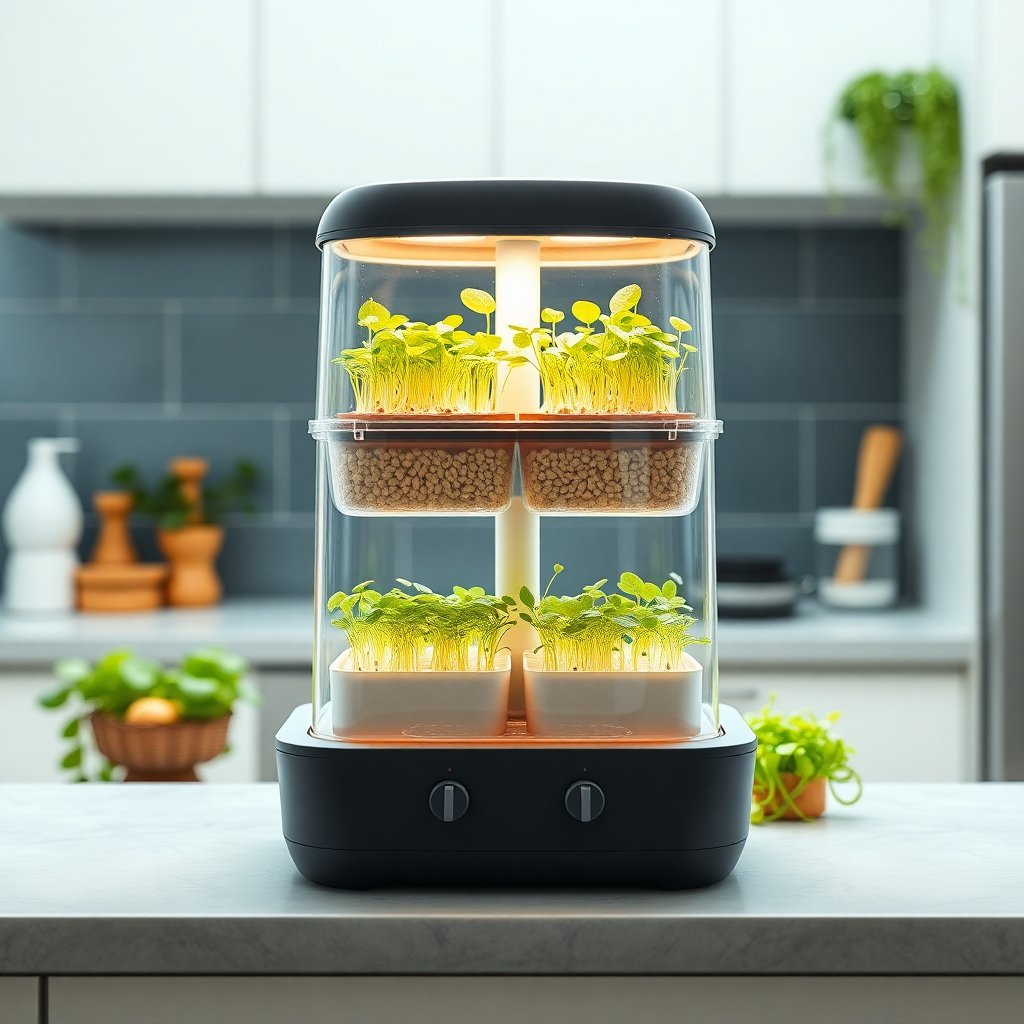
If you eat a raw vegan diet, sprouting is one of the highest-leverage things you can do. Seeds, beans, and grains that are nutritionally modest in their dormant state become dense with enzymes, vitamins, and bioavailable protein within 2–5 days of sprouting. You grow them on your countertop. No soil, no grow lights, no garden required.
This guide covers the best sprouting kits for raw vegans in 2026 — from the dead-simple jar method to purpose-built multi-tier systems — and which seeds are worth starting with.
Why Sprouting Matters on a Raw Vegan Diet
The short version: sprouting activates nutrients that are locked or inhibited in a seed's dormant state.
Germination breaks down phytic acid, the compound that binds minerals like zinc, iron, and calcium and prevents absorption. It triggers enzyme production that supports digestion. It increases vitamin C, B vitamins, and folate measurably — sometimes dramatically. Studies on lentil sprouts, for example, show a 20–30% increase in protein digestibility compared to unsprouted lentils.
For raw vegans who don't rely on cooking to break down plant cell walls, sprouting is a key tool for maximizing what you actually absorb from the food you eat.
The Methods: Jar vs. Tray vs. Tower
There are three main approaches to home sprouting, each with real trade-offs:
Jar sprouting is the simplest and cheapest entry point. A wide-mouth mason jar with a mesh lid and a rack to keep it angled (for drainage) is all you need. It works well for small-seeded sprouts like alfalfa, broccoli, radish, and clover.
Tray sprouting gives you more surface area and better air circulation. Most tray systems are stackable, letting you run multiple varieties at different stages simultaneously. Better for lentils, chickpeas, mung beans, and sunflower sprouts.
Hemp bag / cloth sprouting works best for larger seeds like sunflower or wheat berries. The cloth wicks moisture while allowing airflow. Simple and effective, but requires more monitoring.
Best Sprouting Kits in 2026
1. Wide-Mouth Mason Jar + Mesh Lid Set (Best Budget Entry Point)
If you're new to sprouting and want to test it before committing to a system, start here. A two-pack of wide-mouth quart mason jars with stainless steel mesh sprouting lids costs under $20 and grows more sprouts than most people need.
→ Shop mason jar sprouting lid sets on Amazon
What to look for: 304 stainless steel mesh (not plastic screens that harbor mold), a lid ring that fits standard wide-mouth Ball or Kerr jars, and a matching draining tray or angle rack. Some kits include both.
Best for: Alfalfa, broccoli, clover, radish, fenugreek, chia
2. Stackable Sprouting Tray System (Best for Volume)
Purpose-built sprouting trays have drainage holes in the bottom of each tier, letting rinse water flow from the top tray through to the drip tray at the bottom. Most systems come with 3–4 trays, letting you run different varieties at different stages simultaneously.
→ Shop stackable sprouting tray systems on Amazon
Key features to look for: BPA-free food-grade plastic or stainless steel construction, a solid drip tray at the bottom, and vented lids or open-top trays (closed tops trap moisture and cause mold faster).
Best for: Lentils, mung beans, chickpeas, sunflower, peas, wheat berries
3. Stainless Steel Sprouting Jar Set (Best Premium Jar Option)
For those committed to avoiding plastic entirely, stainless steel sprouting jars are the clean upgrade. These are heavier, more durable, and easier to sanitize than glass jar setups.
→ Shop stainless steel sprouting jars on Amazon
These cost more but are built to last indefinitely. If you're sprouting daily — which many raw vegans do — the investment makes sense within the first year.
4. Hemp Sprouting Bags (Best for Large Seeds)
Hemp bags are the old-school method that still works better than anything else for sunflower seeds, wheat berries, and other large sprouting seeds. The natural fiber breathes, prevents anaerobic conditions, and wicks excess moisture without oversaturating.
→ Shop hemp sprouting bags on Amazon
A set of two or three bags runs $15–25 and lasts years with proper care (rinse and air-dry after each use). The main learning curve is feel — you'll develop an eye for when moisture is right.
5. Automatic Sprouting Machine (Best for High-Volume / Hands-Off)
If you're sprouting for a household or simply want a fully passive system, automatic sprouters rotate or mist sprouts on a timer, reducing the need to remember twice-daily rinsing.
→ Shop automatic sprouting machines on Amazon
These are overkill for most people, but if you've been sprouting consistently for a few months and find the manual rinsing to be the friction point that breaks your habit, an automatic system pays for itself in consistency.
Comparison: Sprouting Methods at a Glance
| Method | Cost | Best Seeds | Volume | Difficulty | |---|---|---|---|---| | Mason jar + mesh lid | $15–25 | Small seeds, alfalfa | Low–medium | Easy | | Stackable tray system | $25–50 | Lentils, beans, greens | Medium–high | Easy | | Stainless steel jars | $40–70 | Same as mason jars | Low–medium | Easy | | Hemp sprouting bags | $15–25 | Sunflower, wheat berries | Medium | Easy–moderate | | Automatic machine | $80–200 | Most varieties | High | Easy (setup) |
What Seeds to Start With
Beginner-friendly:
- Alfalfa — classic fine sprout, ready in 4–5 days, very mild flavor
- Mung beans — the sprout you know from stir-fries; crisp, easy, ready in 3–4 days
- Broccoli sprouts — high in sulforaphane, mild, nutritionally impressive
Intermediate:
- Lentils — earthy and filling, great in salads, 3–5 days
- Chickpeas — sprouted chickpeas have a nutty flavor and are excellent raw
- Sunflower seeds (hulled) — meaty sprouts, good fat content, 1–2 days
Advanced:
- Wheat berries — for raw flatbreads and living grain prep; need a hemp bag method
- Fenugreek — intense flavor, best mixed with milder sprouts
The Daily Habit: Rinse, Drain, Repeat
Sprouting only fails when you skip rinsing. The process is:
- Soak seeds 8–12 hours (overnight) in water
- Drain, rinse, drain again — seeds should be moist but not sitting in water
- Rinse and drain twice daily (morning + evening) for 2–5 days depending on seed
- Harvest when sprouts reach your preferred length; refrigerate and use within 3–5 days
The most common mistake is insufficient drainage — waterlogged sprouts go anaerobic and mold fast. Angle your jars, keep your trays draining, and you'll have clean sprouts every time.
Pairing Sprouting With Your Raw Kitchen
Sprouts are one of the easiest additions to any raw meal. Toss them on top of a salad, blend them into a green smoothie (you won't taste them), mix them into a raw wraps, or eat them straight as a snack with a little tamari or lemon juice.
For a deeper look at raw kitchen essentials, see our guides on the best blenders for raw vegan diets and how to make nut milk at home.
Frequently Asked Questions
What is the easiest thing to sprout for beginners?
Mung beans and alfalfa are the two easiest starting points. Mung beans sprout reliably in 3–4 days, have a mild flavor, and produce crunchy sprouts that work in salads, wraps, and bowls. Alfalfa takes 4–5 days, produces fine, delicate sprouts, and is very forgiving of beginner-level rinsing inconsistency.
Do I need a special sprouting kit, or can I use a mason jar?
A wide-mouth mason jar with a stainless steel mesh sprouting lid is all you need to get started — the entire setup costs under $20. Purpose-built tray systems offer more volume and better air circulation for larger seeds and beans, but they're not necessary for beginners. Start with the jar method, and upgrade once you know sprouting is part of your routine.
How often do I need to rinse sprouts?
Rinse and drain twice daily — once in the morning and once in the evening. This is the most important step in the process. Insufficient rinsing allows water to pool, creating anaerobic conditions that cause mold. Keep your jars angled for drainage between rinsings, and you'll have clean, healthy sprouts every time.
Are home-grown sprouts safe to eat raw?
Yes, when grown cleanly with proper rinsing. Use filtered or clean tap water, ensure good drainage to prevent stagnation, and harvest and refrigerate your sprouts promptly once they reach your preferred length. Consume within 3–5 days of refrigeration. The main safety risk with commercial sprouts (bacterial contamination during industrial growing) is dramatically reduced in home sprouting at small scale.
What sprouting kit is best for raw vegans who want high volume?
The stackable tray system is the best choice for high-volume sprouting — multiple tiers let you run different varieties at different stages simultaneously. This is ideal for raw vegans who want continuous fresh sprouts throughout the week without interruption. A 3-tier system in BPA-free food-grade plastic handles lentils, mung beans, and sunflower sprouts all at once.
As an Amazon Associate we earn from qualifying purchases. This article contains affiliate links; if you buy through them we may earn a small commission at no additional cost to you.