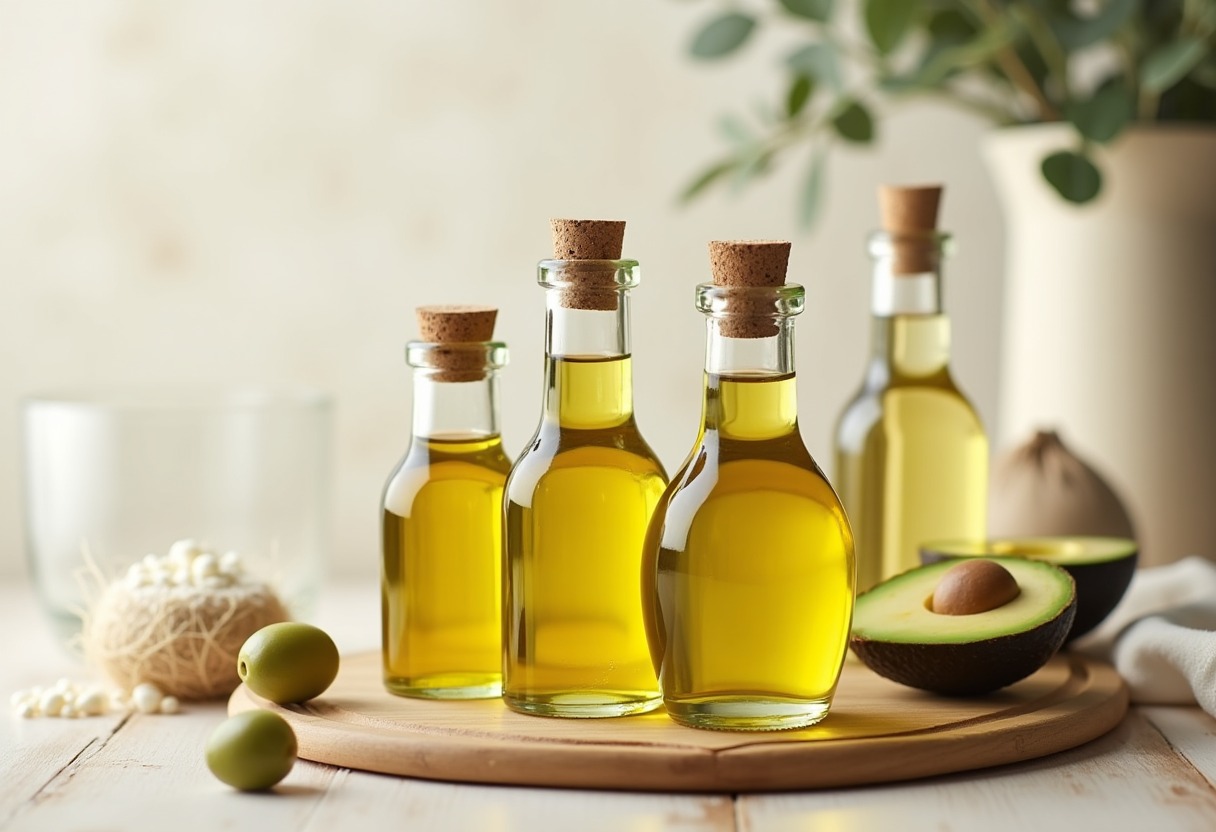
Most conventional cooking oils undergo heavy processing with chemical solvents, high heat, and deodorization that strips away nutrients and creates inflammatory compounds. Natural cooking oils pressed without chemicals retain their beneficial fatty acids, antioxidants, and authentic flavors while supporting better health outcomes.
Why Natural Oils Beat Conventional Processing
Commercial oil production typically involves hexane extraction, bleaching, and deodorization at temperatures exceeding 400°F. This process removes not just beneficial compounds but creates trans fats and oxidized lipids that Harvard's School of Public Health links to inflammation and cardiovascular issues.
Natural oils use mechanical pressing or centrifugal extraction at low temperatures, preserving heat-sensitive vitamins like E and K, plus antioxidants like polyphenols in olive oil or medium-chain triglycerides in coconut oil. These compounds support cellular function and provide natural stability against rancidity.
Unrefined oils also retain their characteristic flavors and aromas. Extra virgin olive oil tastes grassy and peppery because its polyphenols remain intact. Coconut oil carries subtle coconut notes from preserved natural esters. These flavors enhance dishes naturally without artificial additives.
Best Natural Oils for Everyday Cooking
Extra Virgin Olive Oil works beautifully for low-heat cooking, finishing dishes, and raw applications like salad dressings. Its smoke point around 375°F makes it suitable for gentle sautéing vegetables or coating roasted potatoes. → Shop extra virgin olive oil on Amazon Choose oils stored in dark glass bottles to prevent light oxidation.
Unrefined Coconut Oil solidifies below 76°F but melts quickly when heated, making it perfect for baking, medium-heat cooking, and adding tropical notes to dishes. Its natural antimicrobial properties and stable saturated fats resist oxidation better than polyunsaturated oils. → Shop cold-pressed coconut oil on Amazon
Avocado Oil handles higher heat cooking with its smoke point around 520°F, making it ideal for roasting vegetables, searing proteins, or high-temperature sautéing. Its mild flavor doesn't compete with other ingredients while providing monounsaturated fats similar to olive oil. → Shop unrefined avocado oil on Amazon
Grass-Fed Ghee offers the rich flavor of butter with a higher smoke point around 450°F. The clarification process removes milk proteins while concentrating beneficial compounds like vitamin K2 and conjugated linoleic acid from grass-fed cows. → Shop grass-fed ghee on Amazon
Oil Comparison for Kitchen Use
| Oil Type | Smoke Point | Best Applications | Flavor Profile | Storage Notes | |----------|-------------|------------------|----------------|---------------| | Extra Virgin Olive Oil | 375°F | Salads, low-heat sautéing, finishing | Fruity, peppery, grassy | Dark bottle, cool location | | Coconut Oil (unrefined) | 350°F | Baking, medium-heat cooking, smoothies | Subtle coconut, sweet | Room temperature, solid form OK | | Avocado Oil | 520°F | High-heat cooking, roasting, grilling | Neutral, buttery | Refrigerate after opening | | Grass-Fed Ghee | 450°F | Sautéing, roasting, Indian dishes | Rich, nutty, buttery | Room temperature stable | | Sesame Oil (unrefined) | 350°F | Asian dishes, finishing, marinades | Strong nutty, toasted | Small amounts, refrigerate |
Smart Storage and Usage Tips
Store natural oils properly to maintain their beneficial compounds and prevent rancidity. Keep olive oil and nut oils in dark glass bottles away from heat and light. Many people make the mistake of storing oils near the stove where temperature fluctuations accelerate oxidation.
Refrigerate opened bottles of delicate oils like walnut, flax, or hemp seed oil. These polyunsaturated oils oxidize quickly at room temperature but remain stable when cold. Pour what you need into a small → Shop glass oil dispensers on Amazon for daily use.
Taste your oils regularly. Fresh oils should taste clean and characteristic of their source. Olive oil should be fruity or peppery, not bland. Coconut oil should smell mildly tropical, not musty. Off flavors indicate oxidation and signal it's time to replace the bottle.
Consider the cooking method when choosing oils. Raw preparations like our How To Make Nut Milk benefit from delicate oils that would break down under heat. High-temperature roasting requires stable oils that won't create harmful compounds.
Match oil quantities to your usage patterns. Natural oils cost more upfront but buying smaller amounts ensures freshness. A 500ml bottle of quality olive oil used within three months provides better nutrition than a large bottle that sits for six months.
For raw food preparation, temperature matters even for "cold-pressed" oils. True cold-pressed oils never exceed 80°F during extraction, preserving maximum nutrients. This matters especially for delicate recipes in our Raw Food Starter Guide where oil quality directly impacts nutritional value.
FAQ
Which natural cooking oil is best for beginners switching from conventional oils? Extra virgin olive oil offers the easiest transition because of its versatility and familiar flavor profile. Start with a medium-intensity olive oil rather than a robust, peppery variety that might overwhelm your palate. Use it for salad dressings, gentle sautéing vegetables, and drizzling over finished dishes. Once comfortable, gradually introduce coconut oil for baking and avocado oil for higher-heat cooking to build your natural oil repertoire.
How can I tell if my natural cooking oil has gone rancid? Rancid oils develop distinct off-flavors and smells that are unmistakable once you know what to detect. Fresh olive oil tastes fruity, grassy, or peppery, while rancid olive oil tastes flat, musty, or like crayons. Coconut oil should smell mildly sweet and tropical; rancidity makes it smell sour or paint-like. Always taste oils before cooking, and trust your senses – any unpleasant, stale, or chemical taste indicates the oil should be discarded immediately.
Can I use coconut oil if I don't like coconut flavor in my food? Refined coconut oil has virtually no coconut taste because the refining process removes the compounds responsible for flavor and aroma. However, refined coconut oil loses many beneficial properties that make natural oils worthwhile. Instead, try using very small amounts of unrefined coconut oil in dishes where subtle coconut notes complement other flavors, like in baking with vanilla or cinnamon, or look to avocado oil for neutral-tasting, natural high-heat cooking.
What's the difference between cold-pressed and expeller-pressed oils? Cold-pressed oils use mechanical pressure without added heat, keeping temperatures below 80°F to preserve heat-sensitive nutrients and delicate flavors. Expeller-pressed oils also use mechanical pressure but allow temperatures to rise during processing, typically reaching 140-200°F, which can reduce some nutritional compounds but still avoids chemical solvents. Both methods produce natural oils superior to chemically extracted conventional oils, with cold-pressed being the highest quality option.
How much should I expect to spend on natural cooking oils compared to conventional ones? Quality natural oils typically cost 2-4 times more than conventional oils, but you'll likely use less because of their concentrated flavors and cooking efficiency. A bottle of good extra virgin olive oil might cost $15-25 compared to $3-5 for conventional oil, but the superior taste means you need smaller amounts for the same flavor impact. Factor in the health benefits and longer satiety from quality fats, and the cost per nutritional benefit often balances out, especially when you prioritize a few versatile oils rather than buying many varieties.
Natural cooking oils transform both your kitchen's flavor profile and your family's nutritional foundation, one meal at a time.
Some links on this page are affiliate links. We may earn a small commission if you purchase through them, at no extra cost to you.
As an Amazon Associate we earn from qualifying purchases. This article contains affiliate links; if you buy through them we may earn a small commission at no additional cost to you.