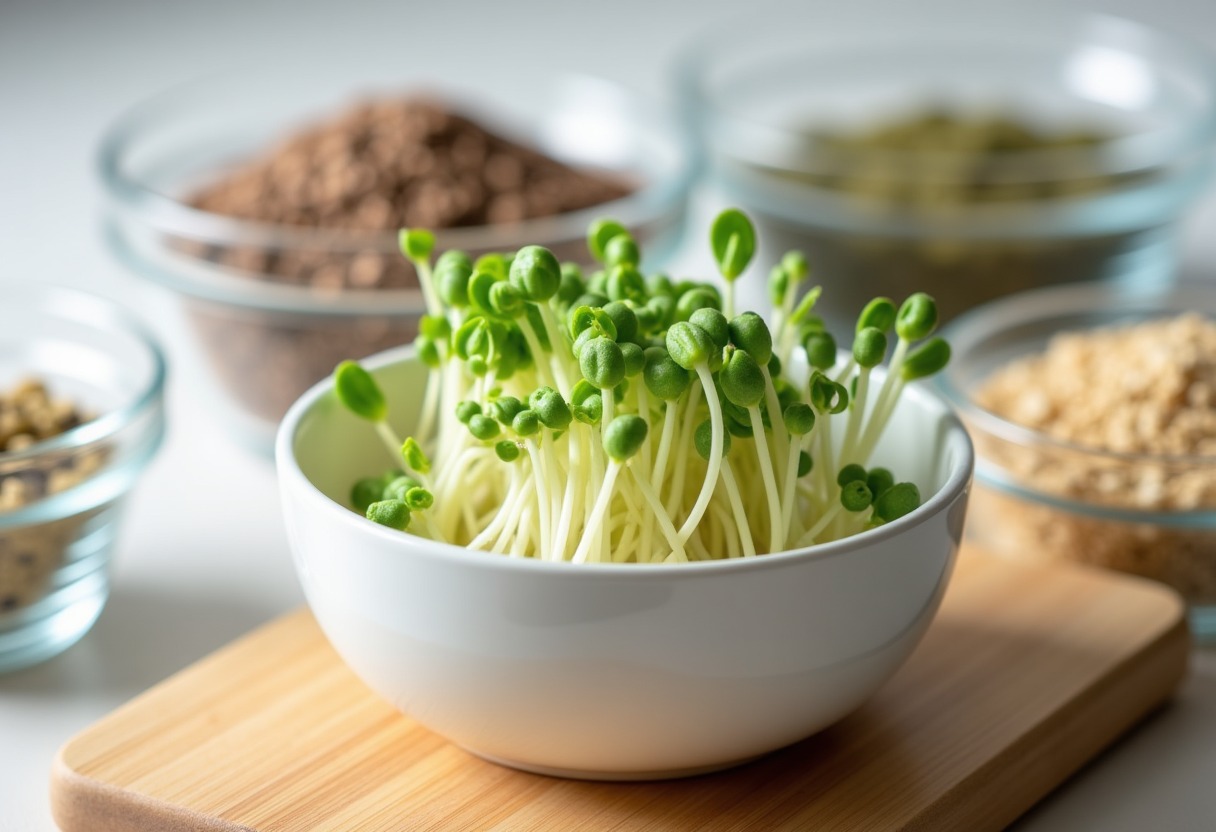
Most sprouting failures trace back to seed choice, not technique. You can follow every rinsing and draining protocol perfectly, but if you start with the wrong variety — or worse, seeds treated for planting rather than eating — you're set up for disappointment or outright health risk.
The sprouting seeds you buy matter more than the jar or tray you use. Certain varieties sprout reliably in three days with minimal fuss. Others require pre-soaking, specialized equipment, or carry contamination risks that aren't worth the trouble for home growers. This guide covers which seeds deliver consistent results, which ones to skip, and what "sprouting grade" actually means on the label.
Why Seed Quality Determines Sprouting Success
Not all seeds sold for sprouting are created equal. The FDA has specific guidance on sprout safety because sprouts grow in warm, humid conditions that can amplify bacterial contamination if present on the seed coat. A single contaminated seed in a batch can compromise the entire jar.
Seeds labeled "for sprouting" or "sprouting grade" undergo testing for common pathogens like E. coli and Salmonella. They're grown without chemical treatments, fungicides, or synthetic coatings used on planting seeds. Garden center seeds often carry warnings against consumption — those treatments don't rinse off.
Germination rate matters too. Fresh sprouting seeds typically show 85-95% germination. Older stock or seeds stored improperly may test at 60% or lower, leaving you with half a jar of duds that rot instead of sprout. Reputable suppliers date their packaging and store inventory in climate-controlled conditions.
Organic certification adds another layer of accountability. While not strictly necessary for safe sprouting, certified organic seeds come from farms that follow documented practices around contamination prevention and can't use synthetic pesticides at any growth stage.
Best Seeds for Sprouting: Beginner to Advanced
Alfalfa seeds remain the gateway sprout for good reason. They germinate in 24 hours, reach harvest size in 5-6 days, and tolerate minor technique mistakes better than most varieties. The delicate, mild sprouts work in sandwiches, salads, and smoothies. A single tablespoon of seeds yields roughly 1.5 cups of sprouts.
→ Shop alfalfa sprouting seeds on Amazon
Broccoli seeds produce sprouts with concentrated sulforaphane — the compound studied for its potential antioxidant properties. They sprout as quickly as alfalfa but with a slightly spicy, brassica bite. Use them within 4-5 days for peak flavor and nutrient density. Two tablespoons of seeds fill a quart jar.
→ Shop broccoli sprouting seeds on Amazon
Mung beans shift you into the bean sprouting category, which works differently than seed sprouting. These thick-stemmed sprouts need darkness for the first few days to develop long, crisp shoots. They're done in 3-4 days and taste best stir-fried or eaten raw in spring rolls. Half a cup of dry beans yields about 4 cups of sprouts.
→ Shop mung bean sprouting on Amazon
Radish seeds produce sprouts with a peppery punch that intensifies as they grow. They're ready in 4-6 days and pair well with milder sprouts in salad mixes. Radish sprouts handle slightly less-frequent rinsing than alfalfa, making them forgiving for busy schedules.
Lentils sprout quickly (2-3 days) and deliver a mild, slightly sweet flavor. French green lentils and regular brown lentils both work well. Red lentils, sold split, won't sprout — stick with whole, unhulled varieties. One cup of dry lentils produces roughly 3 cups of sprouts.
If you're exploring several varieties at once, → Shop sprouting seed mix on Amazon offers pre-blended combinations that sprout on similar timelines.
For more advanced sprouting setups and techniques, the Best Sprouting Kits Raw Vegan guide covers tray systems and automated options.
Sprouting Seed Comparison: Growth Time and Yield
| Seed Type | Days to Harvest | Yield Ratio | Flavor Profile | |-----------|----------------|-------------|----------------| | Alfalfa | 5-6 days | 1 tbsp → 1.5 cups | Mild, grassy, neutral | | Broccoli | 4-5 days | 2 tbsp → 2 cups | Mildly spicy, cabbage-like | | Mung Bean | 3-4 days | 1/2 cup → 4 cups | Crisp, slightly sweet | | Radish | 4-6 days | 1 tbsp → 1.5 cups | Peppery, sharp | | Lentil | 2-3 days | 1 cup → 3 cups | Mild, slightly sweet | | Fenugreek | 4-5 days | 1/4 cup → 2 cups | Bitter, maple-like | | Clover | 5-6 days | 1 tbsp → 1.5 cups | Mild, similar to alfalfa | | Chickpea | 2-3 days | 1 cup → 2.5 cups | Nutty, firm texture |
Yield ratios assume proper rinsing twice daily and ideal temperature (68-72°F). Higher heat speeds germination but can reduce final volume.
What to Look for When Buying Sprouting Seeds
Packaging date matters more than brand recognition. Seeds lose viability over time, even when stored properly. Look for packages dated within the past year. Many suppliers include germination test results on the label or website — anything above 85% is solid.
"Organic" and "sprouting grade" aren't interchangeable terms. Organic certification speaks to growing practices. Sprouting grade indicates pathogen testing. You want both when possible, but sprouting-grade status takes priority for food safety.
Avoid seeds sold for planting or garden use. These often carry fungicide coatings (thiram, captan, or other chemicals) that make them unsafe to eat. The coatings may be dyed pink or blue, but some are colorless. If the package doesn't explicitly say "for sprouting" or "food grade," don't eat what grows from it.
Whole, unhulled seeds sprout most reliably. Split lentils, hulled sunflower seeds, and pearled grains won't germinate. Check product descriptions carefully — even seeds sold for sprouting sometimes come hulled, which makes them useless for growing but fine for cooking.
Buy in quantities you'll use within six months. Sprouting seeds store well in cool, dry conditions, but germination rates decline after a year. A one-pound bag of alfalfa seeds handles roughly 30 batches of sprouts. If you're sprouting twice a week, that's four months of supply.
For storing your sprouted harvests, the Natural Food Storage Containers Guide covers glass and stainless options that don't leach or retain odors.
Seeds to Avoid for Home Sprouting
Tomato and eggplant seeds come from nightshade family plants and produce sprouts containing solanine — a compound that can cause digestive distress. These plants need to mature significantly before their fruits become safe to eat.
Rhubarb seeds sprout into plants with toxic leaves from day one. The oxalic acid content in rhubarb sprouts sits well above safe consumption levels.
Lima beans, kidney beans, and most dried soup beans contain lectins that require high-heat cooking to neutralize. Sprouting activates these beans but doesn't eliminate the compounds that cause nausea and digestive upset when eaten raw or lightly cooked. Mung beans, lentils, and chickpeas are the exceptions — they're safe to eat sprouted and raw.
Flax and chia seeds turn mucilaginous when wet, creating a gel coating that prevents proper drainage and air circulation. They're better used whole or ground in recipes than attempted as sprouts. The gel they produce encourages mold growth in sprouting jars.
Treated planting seeds pose the biggest risk. Even a thorough rinse doesn't remove pesticide residues or fungicide coatings designed to persist through soil planting. These chemicals concentrate on seed coats where they're most effective — and exactly where your sprouts grow.
Practical Sprouting Tips Most Guides Skip
Room temperature affects sprouting speed more than most variables. Seeds sprout fastest between 68-72°F. Below 60°F, germination slows significantly. Above 75°F, you risk bacterial growth outpacing sprout development. If your kitchen runs warm, sprout in a basement or pantry. If it runs cool, find a spot near (not on) the water heater.
Rinse water temperature matters. Room-temperature water keeps seeds in their comfort zone. Cold water shocks them and slows germination. Hot water above 90°F can cook delicate sprouts or damage seed viability.
Skip the "pre-soak overnight" step for small seeds. Alfalfa, broccoli, clover, and radish seeds need only 4-6 hours of initial soaking. Longer soaks encourage premature fermentation that smells sour and stunts growth. Beans and larger seeds benefit from 8-12 hour soaks.
Don't overcrowd your sprouting vessel. Seeds expand as they sprout — alfalfa increases volume by 12-15 times. Start with just 1-2 tablespoons of small seeds per quart jar. Overcrowding prevents proper air circulation and creates pockets where seeds can't drain, leading to slime and rot.
Harvest before roots get long and fuzzy. Those fine, hair-like projections are root hairs, not mold, but they signal that sprouts have passed their prime eating stage. Once roots exceed sprout length, texture turns woody and flavors become bitter. Most seeds hit peak eating quality when the sprout reaches 1-2 times the seed's original length.
The Best Sprouting Jars Lids 2026 guide covers drainage systems that prevent the overcrowding and poor air circulation that plague beginner sprouters.
If you're building a Raw Vegan Meal Prep Beginners Guide routine, sprouts integrate easily into weekly prep cycles — start a new batch every 2-3 days for continuous harvest.
Storing and Using Your Sprouting Seeds
Keep dry seeds in airtight containers away from light and heat. Glass jars with tight lids work better than the bags seeds typically arrive in. Stored properly at room temperature, most sprouting seeds maintain 85%+ germination rates for 12-18 months. Refrigeration extends this window but isn't necessary unless you live in high humidity.
Test germination rates if seeds have been stored longer than a year. Sprout a tablespoon in a separate jar. If fewer than 75% germinate within the expected timeframe, the remaining seeds will produce increasingly disappointing batches.
Rotate your seed inventory. Date packages when you buy them. Use older stock first, even if you prefer certain varieties. A six-month-old package will still outperform fresh seeds from a questionable source.
Keep sprouting seeds separate from planting seeds in storage. Even experienced sprouters occasionally grab the wrong container. Store sprouting-grade seeds in your pantry with other cooking ingredients, not in the garden shed with packets destined for the soil.
Small-batch sprouting prevents waste. Fresh sprouts lose crunch and develop off-flavors after 4-5 days in the refrigerator, even in optimal storage. Starting a new jar every few days beats harvesting a week's worth that goes slimy by day six.
For more ways to use fresh sprouts, the Best Raw Vegan Protein Sources guide includes sprout-based recipes that maximize their nutritional value.
Frequently Asked Questions
Can I sprout seeds from the bulk bins at natural food stores?
Not reliably. Bulk bin lentils, mung beans, and chickpeas might sprout, but they lack the pathogen testing that packaged sprouting seeds undergo. You don't know how long they've sat in bins or how they were handled before arrival. Sprouting-grade seeds cost only slightly more and dramatically reduce contamination risk.
Do organic sprouting seeds sprout faster than conventional ones?
Germination speed depends on seed freshness and variety, not organic certification. Both can perform identically if harvested and stored under similar conditions. Organic certification matters for pesticide residues and growing practices, not sprouting timeline.
Why do my sprouts smell sour even though I rinse twice daily?
Sour smell indicates early bacterial fermentation, usually from inadequate drainage or overcrowding. Cut your seed quantity in half, ensure jars drain completely upside-down between rinses, and check that room temperature stays below 75°F. If smell persists, discard the batch and start fresh with clean equipment.
Can I save seeds from grocery store produce for sprouting?
Technically yes, but results vary wildly. Most commercial produce comes from hybrid varieties selected for shipping durability, not germination rates. Seeds from organic bell peppers or tomatoes might sprout, but you're better off buying tested sprouting seeds that cost pennies per batch and guarantee food safety.
How long do harvested sprouts stay fresh in the refrigerator?
Most sprouts peak at 4-5 days refrigerated in breathable storage — not sealed containers. Alfalfa and clover last slightly longer than bean sprouts. Rinse them once midway through storage and drain thoroughly. Discard any that develop slime, brown spots, or off odors regardless of age.
→ Shop organic sprouting seeds on Amazon to start your first batch with tested, food-safe varieties.
Start with alfalfa or broccoli, master the rinse-and-drain rhythm, then expand into beans and spicy varieties once you've dialed in your kitchen's temperature and timing quirks.
Some links on this page are affiliate links. We may earn a small commission if you purchase through them, at no extra cost to you.
As an Amazon Associate we earn from qualifying purchases. This article contains affiliate links; if you buy through them we may earn a small commission at no additional cost to you.