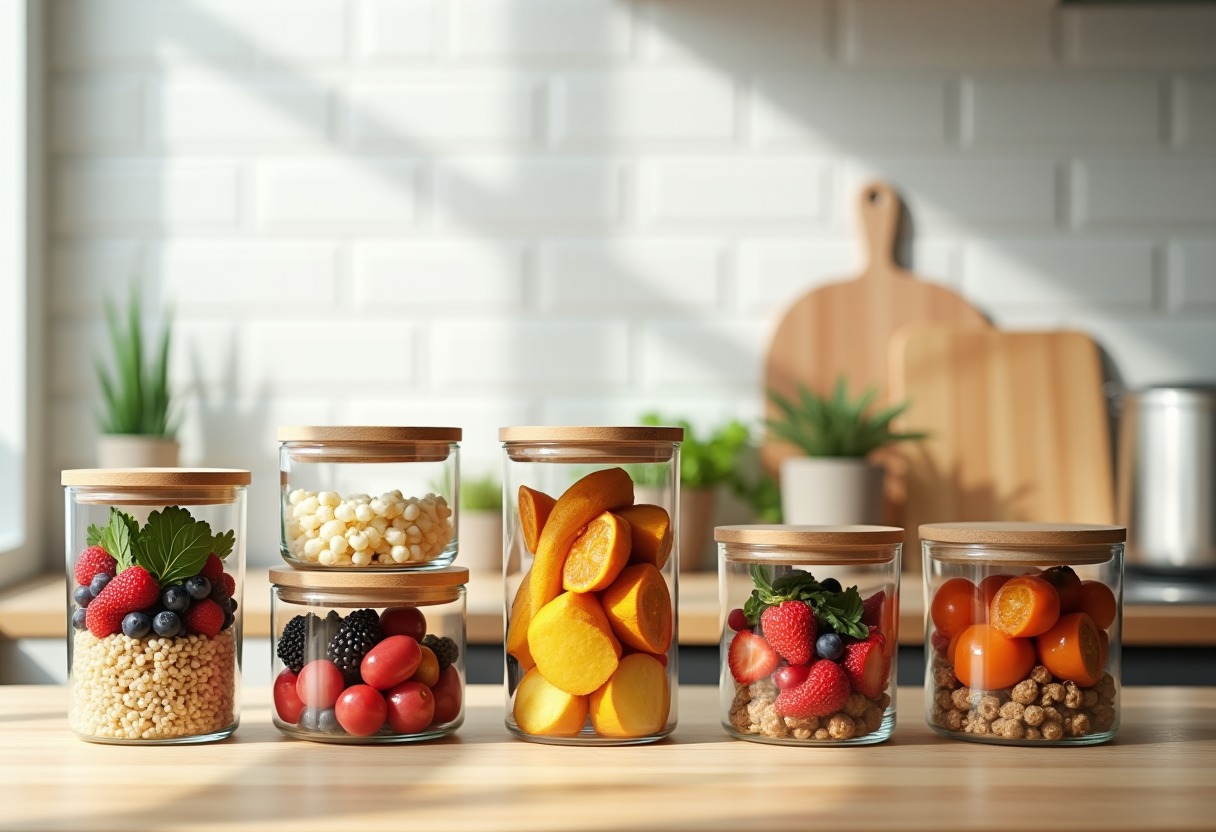
Your kitchen containers touch your food every single day, yet most home cooks never question what chemicals might be leaching from plastic into their carefully chosen ingredients. Making the switch to natural food storage containers eliminates endocrine disruptors like BPA and phthalates while keeping your whole foods fresher, longer.
Why Natural Food Storage Containers Matter for Your Health
Conventional plastic containers release chemicals into food, especially when heated or when storing acidic ingredients. The FDA acknowledges concerns about BPA exposure from food packaging, noting that this chemical can mimic estrogen in the body. Even "BPA-free" plastics often contain similar compounds like BPS or BPF that carry comparable risks.
Glass, stainless steel, and food-grade silicone offer genuinely inert alternatives. Glass containers won't absorb flavors, odors, or stains — crucial when you're storing pungent fermented vegetables or bright turmeric-based preparations. Stainless steel provides unmatched durability for packed lunches and outdoor adventures. Food-grade silicone brings flexibility for space-efficient storage while maintaining chemical stability across temperature ranges.
Beyond safety, these materials preserve food quality better than plastic. Glass and steel don't develop micro-scratches that harbor bacteria, and they won't warp in the dishwasher or develop cloudy films that make it hard to see contents.
Glass Food Containers: The Gold Standard for Purity
Glass reigns as the most chemically inert option for food storage. Borosilicate glass — the type used in quality food containers — withstands temperature changes without cracking and won't leach any compounds into your food, regardless of acidity or heat.
Look for containers with airtight locking lids rather than simple snap-on versions. The best systems use silicone gaskets with four-corner locking mechanisms that create truly leak-proof seals. This matters whether you're storing homemade nut milk or transporting soup for lunch.
Rectangular shapes maximize refrigerator space better than round containers, though round versions work well for storing bulk items like nuts or dried fruits from your Raw Food On A Budget shopping trips. Choose containers with measurement markings if you frequently portion ingredients for Best Dehydrator Recipes or meal prep.
→ Shop bamboo lid glass containers on Amazon
Glass containers handle freezer-to-oven transitions, making them perfect for batch-prepared soups, stews, and casseroles. Always leave expansion room when freezing liquids, and let glass come to room temperature before extreme temperature changes to prevent thermal shock.
Stainless Steel: Durable and Portable
Stainless steel containers excel for packed lunches, outdoor meals, and situations where glass might break. Food-grade stainless steel (304 or 316 grade) resists corrosion and won't react with acidic foods like citrus or tomatoes.
The biggest limitation: you can't see contents without opening the container. This makes steel better for items you'll consume within a day or two rather than long-term pantry storage. Steel also conducts temperature, so containers feel cold from the refrigerator or hot if they've been in a warm car.
Bento-style steel containers with multiple compartments work exceptionally well for varied meals. Look for versions with silicone dividers that you can remove for cleaning or rearrange for different portion sizes. Leak-proof gaskets are essential — cheaper steel containers often have inadequate sealing that leads to messy accidents.
→ Shop stainless steel bento boxes on Amazon
Steel containers with wide mouths accommodate everything from salads to grain bowls from your Raw Vegan Meal Prep Beginners Guide. The durability makes them worthwhile investments for daily lunch packers or families with young children who might drop containers.
Food Storage Material Comparison
| Material | Temperature Range | Durability | Visibility | Best Uses | Considerations | |----------|------------------|------------|------------|-----------|----------------| | Glass | Freezer to 450°F | Medium-High | Excellent | Batch cooking, fermentation, pantry storage | Heavy, breakable, takes up more space | | Stainless Steel | Freezer safe, not oven | Highest | None | Lunch boxes, outdoor meals, kids | Can't see contents, conducts temperature | | Silicone | -40°F to 450°F | Medium | Good | Space-saving, odd shapes, travel | Can retain odors, limited sizes | | Bamboo Lids | Room temperature only | Medium | Good | Pantry display, bulk storage | Lids not dishwasher safe, can crack |
Silicone Storage Solutions That Actually Work
Quality food-grade silicone bags and containers have revolutionized space-efficient storage. Unlike rigid containers, silicone collapses when empty, making it ideal for small kitchens or travel. Platinum-cured silicone performs better than peroxide-cured versions — it won't retain odors or flavors as readily.
Silicone bags excel for marinating proteins, storing cut vegetables, or organizing Best Raw Vegan Protein Sources like nuts and seeds. The flexibility lets you squeeze out excess air, extending freshness similar to vacuum sealing.
For containers, look for thick-walled silicone (2mm minimum) with reinforced rims. Thin, flimsy versions collapse too easily and develop tears at stress points. The best silicone containers have rigid bases or frames that help them maintain shape when filled.
→ Shop silicone food storage bags on Amazon
Silicone works beautifully for freezing smoothie ingredients or prep components for Best Raw Vegan Blenders 2026 recipes. The flexibility makes it easy to remove frozen contents, unlike rigid containers where you might need to run warm water over the outside.
Storage Container Selection by Food Type
Different foods have specific storage needs that determine the best container choice. Fermented vegetables require glass containers because the acidity would degrade plastic over time, and you need to monitor fermentation progress visually. Your homemade sauerkraut or kimchi will maintain better flavor and beneficial bacteria in glass.
Dry goods like grains, nuts, and seeds from Best Sprouting Jars Lids 2026 projects store best in airtight glass containers with secure lids. The transparency helps you monitor freshness and quantity at a glance. Wide-mouth jars work particularly well for items you scoop regularly.
Prepared meals benefit from glass containers that can go from refrigerator to microwave or oven. This eliminates transfer steps and reduces dish washing. Batch-cooked grains, roasted vegetables, and soup portions maintain better texture when stored and reheated in the same container.
→ Shop leak proof glass meal prep on Amazon
Liquids need truly leak-proof seals regardless of material. Test new containers with water before trusting them with smoothies or broths. The best systems use silicone gaskets with multiple locking points that create pressure-tested seals.
Advanced Tips Most People Miss
Temperature cycling extends container life significantly. Let glass containers return to room temperature before moving from freezer to oven, and avoid placing hot glass containers directly on cold surfaces. This simple step prevents stress fractures that lead to sudden breaks.
Create a container rotation system to ensure even wear. Date containers when you put them into service, and retire older pieces to non-food storage before they develop problems. Quality containers should last years with proper care, but plastic gaskets and silicone seals eventually need replacement.
Stack efficiently by choosing containers in coordinated sizes. Many manufacturers design their lines so smaller containers nest inside larger ones, and lids often fit multiple sizes. This reduces storage space and simplifies organization.
Consider specialized containers for specific tasks. Tall, narrow containers work better for celery and asparagus. Shallow, wide containers suit leafy greens and herbs. Square containers maximize refrigerator space, while round containers work better for pantry storage where you access them from above.
→ Shop glass food storage containers on Amazon
Label containers with contents and dates using removable labels or dry erase markers on glass. This simple step prevents mystery containers and food waste, especially for batch-prepped items or frozen portions.
FAQ
What's the safest material for storing acidic foods like tomato sauce? Glass is the safest choice for acidic foods because it's completely inert and won't react with acids, citrus, or vinegar-based preparations. Stainless steel (grades 304 or 316) also resists acid corrosion well, making steel containers acceptable for short-term storage of acidic items. Avoid aluminum containers with acidic foods, as the acid can cause the metal to leach into food and create off-flavors.
Can I put glass containers directly from freezer to oven? Only if they're made from borosilicate glass and you let them come to room temperature first. Temperature shock from extreme changes can crack even quality glass containers, so remove them from the freezer 15-30 minutes before heating. Never place frozen glass containers directly into a hot oven, and avoid putting hot glass containers onto cold surfaces like granite countertops.
How do I remove odors from silicone containers that smell like garlic or onions? Soak silicone containers in white vinegar for several hours, then scrub with baking soda paste made from baking soda and water. For stubborn odors, place containers in direct sunlight for a few hours after the vinegar treatment — UV light helps break down odor compounds. Some people also freeze smelly silicone containers overnight, as cold temperatures can help neutralize persistent odors.
Are bamboo lids on glass containers actually safe and practical? Bamboo lids look attractive but have practical limitations — they're not dishwasher safe, can crack with repeated washing, and don't create airtight seals like silicone-gasketed lids. They work well for dry pantry storage where you want aesthetic appeal, but choose silicone or plastic lids for refrigerated items that need moisture protection. Many bamboo lids also absorb odors over time and may develop mold if not dried thoroughly.
What container sizes should I buy for a family of four? Start with a variety pack that includes 1-cup, 2-cup, and 4-cup containers, plus a few larger 6-8 cup containers for batch cooking and leftovers. Most families need more small containers than they expect — individual portions for school lunches, leftover vegetables, and sauce storage add up quickly. Buy rectangular shapes for maximum refrigerator efficiency, and ensure all lids are interchangeable within the same brand to reduce confusion and lost pieces.
Natural food storage containers represent one of the simplest swaps that immediately reduces your family's exposure to unnecessary chemicals while keeping whole foods fresher and more organized.
Some links on this page are affiliate links. We may earn a small commission if you purchase through them, at no extra cost to you.
As an Amazon Associate we earn from qualifying purchases. This article contains affiliate links; if you buy through them we may earn a small commission at no additional cost to you.