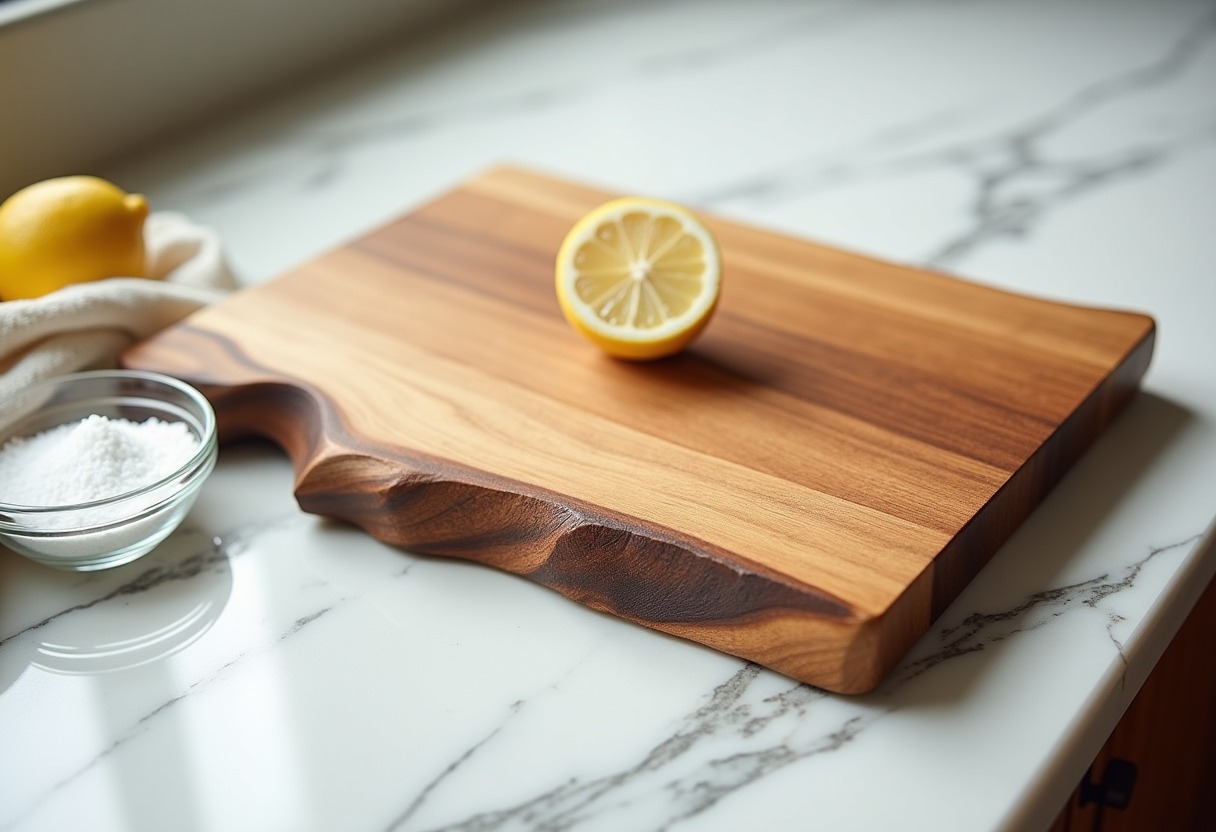
Most cutting boards leach chemicals directly into your food. Plastic boards release microplastics and potential carcinogens, while composite materials contain formaldehyde-based adhesives that transfer to everything you chop.
Why Your Cutting Board Material Matters More Than You Think
Every time you slice vegetables on a plastic cutting board, tiny particles break away and mix with your food. The FDA recognizes microplastics as an emerging food safety concern, particularly from kitchen tools that experience repeated cutting and heating. Traditional plastic boards also harbor bacteria in knife grooves that resist standard cleaning methods.
Composite cutting boards marketed as "eco-friendly" often contain urea-formaldehyde resins that release vapors during use. These synthetic binders break down over time, especially when exposed to acidic foods like tomatoes or citrus. Natural materials eliminate these concerns while providing superior performance for daily food preparation.
Wood and bamboo cutting boards possess natural antimicrobial properties that actually help reduce bacterial contamination compared to plastic alternatives. The dense grain structure of quality hardwoods creates an inhospitable environment for harmful bacteria while remaining gentle enough to preserve knife edges.
The Complete Guide to Wood Cutting Board Types
Hardwood cutting boards represent the gold standard for non-toxic food preparation. Dense wood species like maple, walnut, cherry, and acacia provide optimal cutting surfaces that resist bacteria while protecting knife blades from premature dulling.
End-grain cutting boards offer the highest performance for serious home cooks. The vertical wood fibers create a forgiving surface that knife edges penetrate slightly, then close back together. This self-healing property extends both board and knife lifespan significantly. Edge-grain boards cost less but still provide excellent durability for most kitchen tasks.
→ Shop acacia wood cutting boards on Amazon for beautiful, naturally antimicrobial options that resist cracking and warping. Acacia's tight grain structure makes it particularly resistant to moisture absorption and bacterial growth.
Teak cutting boards excel in humid environments due to their natural oil content that repels water and prevents cracking. The dense grain creates an exceptionally smooth cutting surface that requires minimal maintenance. → Shop teak cutting boards on Amazon for premium options that last decades with proper care.
Maple remains the most popular choice among professional chefs for its consistent grain, neutral color, and excellent durability. Hard maple provides optimal density for knife preservation while maintaining reasonable cost. Cherry and walnut offer similar performance with distinctive grain patterns that enhance kitchen aesthetics.
Bamboo vs Wood vs Other Natural Materials Compared
| Material | Durability | Maintenance | Cost | Knife Friendliness | |----------|------------|-------------|------|-------------------| | Bamboo | High | Low | $ | Good | | Maple | Very High | Medium | $$ | Excellent | | Acacia | High | Medium | $$ | Very Good | | Teak | Very High | Low | $$$ | Excellent |
Bamboo cutting boards provide an excellent entry point into non-toxic food preparation. Technically a grass rather than wood, bamboo grows 30 times faster than hardwood trees while offering comparable durability. The natural silica content creates antimicrobial properties that resist bacterial growth without chemical treatments.
→ Shop bamboo cutting boards on Amazon for affordable options that require minimal maintenance and resist warping. Quality bamboo boards feature pressed bamboo strips rather than solid pieces, creating uniform density throughout the cutting surface.
Glass and ceramic cutting boards, while non-toxic, damage knife edges severely and create safety hazards from potential chipping. Stone surfaces like granite or marble work well for pastry preparation but prove too hard for regular knife work.
Natural rubber cutting boards from sustainably harvested rubber trees offer unique benefits for specific tasks. These flexible surfaces protect countertops while remaining gentle on knife edges, though they require more frequent replacement than hardwood options.
Best Non-Toxic Cutting Board Recommendations by Use Case
For daily vegetable preparation, choose medium-sized hardwood boards between 12-15 inches that provide adequate workspace without overwhelming counter space. → Shop hardwood cutting boards on Amazon for classic maple and cherry options that balance performance with affordability.
Raw meat preparation requires dedicated boards that undergo thorough sanitization after each use. Dense hardwoods like maple or acacia handle the regular washing and occasional bleach treatment necessary for food safety. Bamboo boards work well here due to their resistance to moisture absorption and bacterial growth.
Large families benefit from oversized cutting boards that accommodate batch food preparation. End-grain boards measuring 18+ inches provide professional-level workspace for Raw Vegan Meal Prep Beginners Guide sessions that require extensive vegetable chopping.
→ Shop organic cutting boards on Amazon for options certified free from pesticides and chemical treatments during manufacturing. These boards cost more but guarantee complete chemical-free food contact surfaces.
Small apartment kitchens work best with compact bamboo boards that store easily and clean quickly. Look for boards with juice grooves that contain liquids from tomatoes and citrus without creating mess. Multiple smaller boards often prove more practical than single large ones for varied meal preparation.
Advanced Care Techniques Most People Skip
Monthly deep conditioning prevents cracking and extends cutting board lifespan dramatically. Mix equal parts food-grade mineral oil and beeswax, heat gently until combined, then apply to clean, dry boards. This treatment penetrates deep into wood fibers, creating moisture barriers that prevent bacterial infiltration and dimensional changes.
Salt scrubbing removes stubborn odors and stains naturally without harsh chemicals. Sprinkle coarse salt across the cutting surface, rub with half a lemon, then rinse thoroughly. The abrasive action lifts embedded particles while citric acid neutralizes odors from garlic, onions, and fish.
Proper storage prevents warping that ruins cutting boards permanently. Always store boards vertically with air circulation around all sides. Laying boards flat on counters traps moisture underneath, creating uneven drying that causes permanent bowing. Wall-mounted storage racks provide ideal conditions while saving counter space.
Heat damage represents the most common cause of cutting board failure. Never place hot pots directly on wood or bamboo surfaces, and avoid dishwasher cleaning that exposes boards to extreme temperature fluctuations. Hand washing with mild soap preserves natural oils and prevents fiber damage.
Knife technique affects cutting board longevity as much as material choice. Use proper cutting motions that slice rather than chop, avoiding impacts that create deep gouges. Rock-chopping motions with sharp knives preserve board surfaces better than straight-down chopping that concentrates force.
Frequently Asked Questions
Are bamboo cutting boards as safe as wood cutting boards for food preparation? Bamboo cutting boards provide comparable safety to hardwood options with natural antimicrobial properties that resist bacterial growth. The dense fiber structure prevents liquid absorption that can harbor harmful microorganisms, while the smooth surface cleans easily with standard dish soap and water. Bamboo's natural silica content creates an inhospitable environment for bacteria without requiring chemical treatments, making it an excellent choice for families prioritizing plastic-free kitchen setups.
How often should I replace my wood cutting board for optimal food safety? Quality hardwood cutting boards last 10-20 years with proper maintenance, far exceeding plastic board lifespans of 1-2 years. Replace wood boards when deep cracks appear that cannot be sanded smooth, or when the surface becomes heavily scarred despite regular conditioning. Bamboo boards typically require replacement every 5-7 years due to their softer fiber structure. Signs of replacement include persistent odors after deep cleaning, visible mold growth in cracks, or surfaces that feel rough despite proper oiling.
Can I use the same cutting board for meat and vegetables safely? Using separate cutting boards for raw meat and produce prevents cross-contamination more effectively than relying on cleaning between uses. Designate specific boards by color or size for different food categories, storing them separately to avoid confusion. If using one board for multiple purposes, prepare vegetables first, then meat, followed by immediate thorough cleaning with hot soapy water. This sequence minimizes contamination risk while maximizing efficiency during chemical-free food prep sessions.
What's the best way to remove deep stains and odors from natural cutting boards? Create a paste using baking soda and water, spread across stained areas, and let sit for 15 minutes before scrubbing with coarse salt and lemon halves. For persistent odors, sprinkle boards with coarse salt, rub with cut garlic cloves, then clean thoroughly with soap and hot water. The antimicrobial compounds in garlic neutralize odor-causing bacteria while salt provides gentle abrasion. Follow treatment with mineral oil conditioning to restore moisture balance and prevent cracking.
Are there any woods I should avoid for cutting board materials? Avoid softwoods like pine, cedar, or fir that splinter easily and absorb liquids readily, creating bacterial breeding grounds. Open-grain woods such as oak trap particles and resist cleaning despite their hardness. Never use treated lumber or reclaimed wood that may contain lead paint, preservatives, or other toxic chemicals. Exotic woods from unknown sources may trigger allergic reactions or contain natural toxins unsuitable for food contact. Stick with proven food-safe species: maple, cherry, walnut, acacia, or teak from reputable manufacturers.
Switching to non-toxic cutting boards transforms your kitchen into a truly chemical-free food preparation space that protects your family's health while enhancing your cooking experience.
Some links on this page are affiliate links. We may earn a small commission if you purchase through them, at no extra cost to you.
As an Amazon Associate we earn from qualifying purchases. This article contains affiliate links; if you buy through them we may earn a small commission at no additional cost to you.