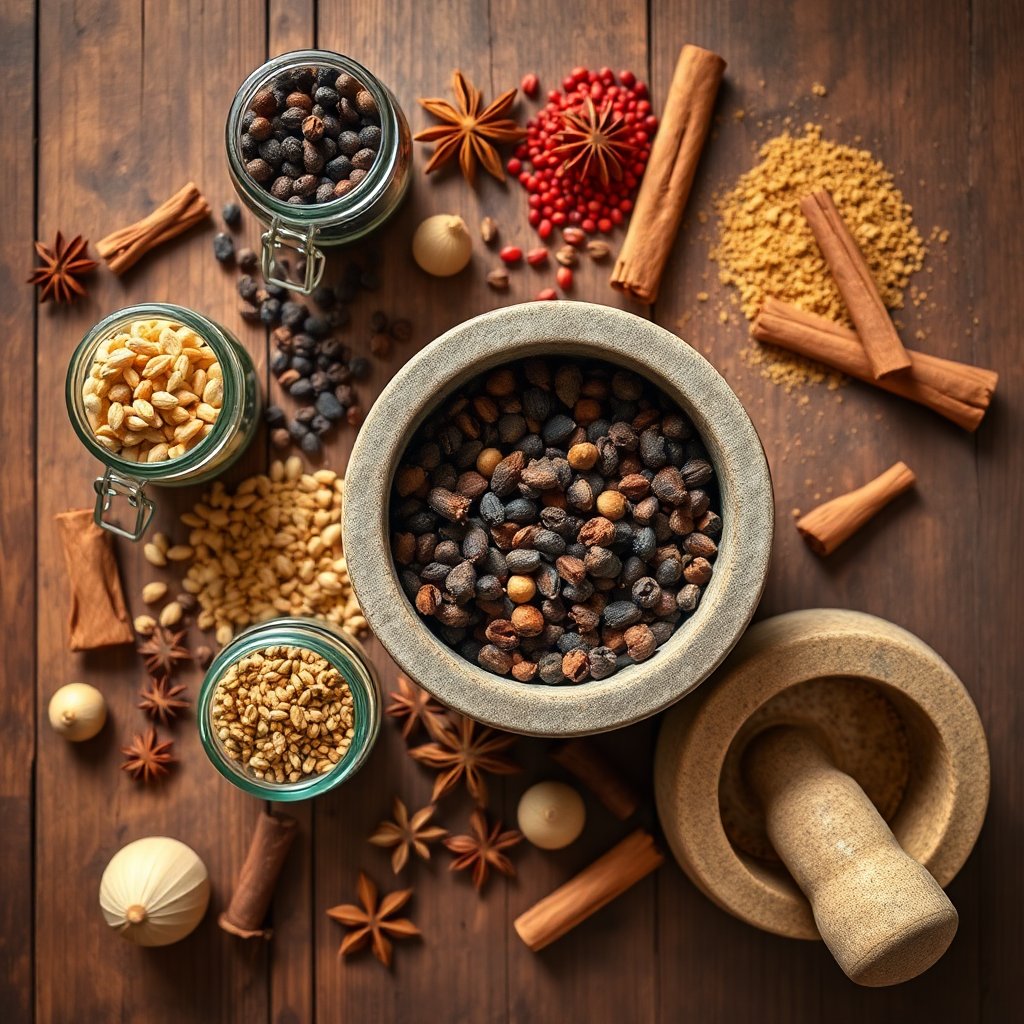
Open most kitchen cabinets and you will find a graveyard: a dozen dusty jars of pre-ground spices, half of them older than anyone can remember, each one a faded ghost of what it once tasted like. Ground spice is convenient, but convenience comes at a real cost in flavor, because the moment a seed or bark is milled it starts bleeding out the volatile aromatic oils that made it worth buying. Switching to whole spices, stored well and ground as you need them, is one of the highest-return upgrades you can make to a real-ingredient pantry — better food, less waste, and usually a smaller grocery bill.
Fall is the season that makes the case for you. Cinnamon-scented squash, peppery braises, warming curries, mulled cider, and holiday baking all lean hard on spices, and the difference between a jar of tired pre-ground cumin and a spoonful you just cracked from whole seed is not subtle. Here is how to build the pantry, keep it fresh, and grind on demand.
Why Whole Spices Beat the Pre-Ground Jar
The core issue is surface area. A whole peppercorn, coriander seed, or stick of cinnamon locks its flavor compounds inside a small, protected package. Grinding shatters that package into thousands of tiny particles, exposing all of it to air, light, heat, and moisture at once. Those aromatic oils — the volatile compounds that give each spice its identity — begin oxidizing and evaporating immediately.
The practical result: whole spices commonly hold usable flavor for a few years when stored properly, while most pre-ground spices noticeably fade within six months to a year and are often stale on the shelf before you even open them. You are frequently paying for aroma that left the jar long ago.
Flavor is only half the win. Grinding fresh also gives you control. You can toast whole seeds first to deepen and round out their flavor, blend your own custom mixes instead of buying pre-made ones loaded with anti-caking agents and fillers, and crack coarse or fine depending on the dish. For anyone building a real-ingredient pantry where the goal is fewer additives and more actual food, whole spices are the obvious default.
There is a money angle too. Whole spices bought in bulk, especially from ethnic grocers or bulk bins, are often dramatically cheaper per ounce than the same spice pre-ground in a supermarket jar, and they last far longer before losing potency. You buy less often and throw out less.
The Starter Set Worth Buying Whole
You do not need to convert your entire rack overnight. Start with the spices you use most and that show the biggest freshness gap between whole and ground. These are the ones that reward you immediately:
- Black peppercorns — the single most obvious upgrade; pre-ground pepper is mostly dust and regret.
- Cumin seeds — toasts beautifully and transforms anything from beans to roasted vegetables.
- Coriander seeds — bright, citrusy, and a totally different spice when freshly cracked.
- Whole nutmeg — grated fresh over squash, oatmeal, or eggnog, it is barely the same ingredient as the pre-ground tin.
- Cinnamon sticks, whole cloves, and green cardamom pods — the backbone of fall and holiday cooking.
- Fennel seeds, mustard seeds, and dried whole chilies for heat and depth.
A whole-spice sampler is an easy, low-risk way to try the switch without committing to big bags of each. → Shop whole spice starter sets on Amazon
Keep a few spices ground if you genuinely burn through them and freshness matters less to you — turmeric and smoked paprika are common exceptions, since they are used in volume and are a chore to grind from root or pod at home. The point is not purity for its own sake; it is putting your effort where the flavor payoff is largest.
How to Store Whole Spices So They Actually Last
Buying whole only pays off if you store them well. The four enemies are the same ones that degrade any pantry staple: air, light, heat, and moisture. Beat those and whole spices will outlast almost everything else in your kitchen.
Use airtight glass, not the bag. Transfer whole spices out of their plastic bags into small, tightly sealed glass jars. Glass will not hold odors or leach anything, and a good seal keeps oxygen and humidity out. Matching jars also make it far easier to see and reach what you have. → Shop airtight glass spice jars on Amazon
Keep them dark and cool. The cabinet above or beside the stove is the worst spot in the kitchen — heat and steam are exactly what you are trying to avoid. Pick a cupboard or drawer away from the oven, dishwasher, and direct sunlight. A drawer is ideal because it keeps everything dark and lets you read labels from above.
Label with a date. Note when you bought or opened each spice. You are not aiming for a hard expiration so much as a rough sense of age, so you know which jars to use up and which to refresh. This same habit pays off across the whole pantry, right alongside good practices for storing the fall harvest so nothing quietly goes stale in the back of a shelf.
Never shake a jar over a steaming pot. The rising steam drives moisture straight into the spice, clumping it and inviting mold over time. Measure into your hand or a spoon, away from the heat, then add to the pan.
The Grinding Gear: What You Actually Need
You can spend a little or a lot here. Match the tool to how much you cook and how you like to work.
A mortar and pestle is the low-tech, no-electricity option, and there is a reason cooks have used one for thousands of years. It cracks whole seeds, bruises them to release oils, and lets you control texture by feel — coarse for a rub, fine for a sauce. A heavy granite or stone set is worth the weight; light ceramic ones tend to send seeds flying. → Shop granite mortar and pestle sets on Amazon
A dedicated electric spice grinder is the fast route for anyone grinding often or in volume. A small blade-style grinder pulverizes seeds in seconds. The one firm rule: keep a separate grinder for spices and never cross it with coffee unless you enjoy cumin-scented espresso. If you are already shopping for grinders, the trade-offs I lay out in the natural coffee grinders guide apply here too — burr versus blade, materials, and how easy each is to clean matter just as much for spices as for beans.
A fine grater or microplane handles the spices that are grated rather than milled — whole nutmeg above all, plus fresh cinnamon shavings and dried ginger. It is inexpensive and earns its drawer space fast.
Whichever route you choose, the workflow is the same: grind only what a recipe needs, right before you use it. A jar of pre-ground spice you milled last month has already given back most of the advantage you paid for.
Toasting: The Free Upgrade Most People Skip
Here is the step that separates good spice cooking from great: dry-toast whole seeds before grinding. Warm a dry skillet over medium heat, add cumin, coriander, fennel, or mustard seeds, and shake the pan for a minute or two until they turn fragrant and just start to darken. The gentle heat coaxes out and transforms the aromatic oils, adding a nutty, rounded depth you simply cannot get from raw ground spice.
Let the seeds cool for a moment, then grind. The difference in a curry, a spice rub, or a pot of beans is dramatic, and it costs you nothing but two minutes. Toasting works with whole spices only, which is one more reason the switch pays off — you unlock a technique that pre-ground jars can never offer.
Freshly cracked whole spices also shine in fermenting and pickling, where they infuse a brine slowly over days. If you keep living projects going on the counter, a pinch of toasted coriander or mustard seed adds a lovely background note to the kind of raw fermented projects that turn a seasonal glut into something worth saving.
Building It Out Without Overspending
Go slow and let the pantry grow with your cooking. A sensible path:
- Replace your top three offenders first — almost always pepper, cumin, and nutmeg — and taste the difference before spending more.
- Buy from bulk bins or ethnic grocers where whole spices are freshest, cheapest, and sold in sane quantities. A well-run bulk aisle turns over stock quickly, so what you buy is genuinely fresh.
- Add spices as recipes call for them rather than stockpiling two dozen jars you will never finish. A spice you never cook with still goes stale.
- Refresh, do not hoard. Whole spices last a long time but not forever; if a jar has lost its punch when you crack it, it has done its job and it is time to replace it.
A modest set of whole spices, decent storage jars, and one grinding tool will outperform a full rack of tired pre-ground jars for less money over time — and it makes the everyday act of cooking noticeably more satisfying.
Nutritional and flavor benefits aside, this is a cooking upgrade, not a health treatment; nothing here is medical advice, so talk to your doctor about any dietary or health concerns.
Affiliate disclosure: some links above are Amazon affiliate links, and purchases made through them may earn this site a small commission at no extra cost to you. That support helps keep these guides free.
As an Amazon Associate we earn from qualifying purchases. This article contains affiliate links; if you buy through them we may earn a small commission at no additional cost to you.